Reverzačná prevodovka pre poľnohospodársky zber obilia — obojsmerný pohon s kužeľovým prevodom 1:1,53 na odstraňovanie upchatia a reverzáciu toku plodiny

This grain harvester reversing gearbox enables the combine harvester’s threshing and feeding mechanisms to operate in both forward and reverse directions through a 1:1.53 bevel gear ratio. Reversing the crop flow clears blockages caused by dense or wet grain without requiring the operator to shut down, exit the cab, and manually clear the jam — maintaining field productivity during the narrow Korean rice and grain harvest window.
Grain Harvester Reversing Gearbox — 1:1.53 Bevel Gear Bi-Directional Drive
The grain harvester reversing gearbox adds bi-directional capability to combine harvester threshing and feeding systems through a 1:1.53 bevel gear ratio and an integrated shift mechanism. When wet or dense crop material causes a blockage in the header, feeder house, or threshing drum, the operator engages reverse mode from the cab — the crop flow reverses, the blockage clears, and forward harvesting resumes within seconds. Without this capability, clearing a jam requires shutting down the harvester, exiting the cab, and manually pulling tangled crop material from the mechanism — a process that costs 10-20 minutes per event and exposes the operator to rotating equipment hazards.
The housing is cast from QT450 ductile iron, a material grade that combines the strength of steel with the castability of iron. Internal drive shafts are machined from 20CrMnTi carburized alloy steel — one of the standard gear shaft materials for Chinese-manufactured poľnohospodárska prevodovka applications — paired with bearings sourced from QC, C&U, or NTN depending on production batch. The 1:1.53 ratio provides a mild speed change between the harvester's main drive and the reversible mechanism, converting input speed into the output RPM range that the threshing or feeding system requires for effective crop processing in both directions.
Korean rice, barley, and wheat harvest operations in Jeolla, Chungcheong, and Gyeongsang provinces install this gearbox on domestically manufactured and imported combine harvesters. The Korean grain harvest window is compressed into 3-4 weeks in October and November — every hour of harvester downtime directly reduces the season's yield recovery. A reversing prevodovka vývodového hriadeľa that clears blockages in seconds rather than minutes translates directly into additional hectares harvested per day.
Technické špecifikácie
Parameters for the grain harvester reversing gearbox. Verify shaft dimensions and mounting interface against your harvester model before ordering.
| Parameter | Hodnota |
|---|---|
| Product Type | Reverzná prevodovka pre zber obilia |
| Typ prevodového stupňa | Kužeľové ozubené koleso |
| Prevodový pomer | 1 : 1.53 |
| Materiál puzdra | QT450 Ductile Iron |
| Materiál hriadeľa | 20CrMnTi (carburized alloy steel) |
| Ložiská | QC / C&U / NTN |
| Direction Control | Forward + Reverse (shift mechanism) |
| Primary Application | Grain Combine Harvesters |
| Funkcia | Blockage clearing, crop flow reversal |
| Color Options | Dark / Red / Custom |
| Záruka | 1.5 Years |
Harvest Operations That Demand Reversing Capability
Rice Harvest in Wet Conditions
Korean rice harvest coincides with the autumn rain season. Wet rice straw wraps around the threshing drum and clogs the feeder mechanism far more frequently than dry straw — blockage rates increase by 3-5 times when straw moisture exceeds 25%. The reversing gearbox clears these wet-straw jams from the cab within 10-15 seconds, avoiding the 15-20 minute manual clearing process that costs the operator cumulative hours over a 3-week harvest window on 20+ hectare operations.
Barley and Wheat Header Blockages
Winter barley and wheat harvest in May and June across Jeolla and Gyeongsang provinces encounters green weed stems mixed with ripe grain stalks. The green material — more flexible and tangled than dry grain straw — wraps around header augers and feeder chain flights. Reversing the crop flow pulls the tangled weed material backward and drops it clear of the mechanism, eliminating the most common cause of header-induced downtime.
Dense Lodged Crop Recovery
Typhoon-flattened rice paddies — a recurring challenge in Korean coastal provinces — present severely lodged crop that feeds unevenly into the harvester header. The reversing function lets the operator back the crop flow out when an uneven slug of tangled material enters the feeder, reposition the header angle, and re-engage forward flow at a controlled rate. This reduces the grain loss and mechanical stress that occur when an overloaded feeder stalls against a dense crop slug.
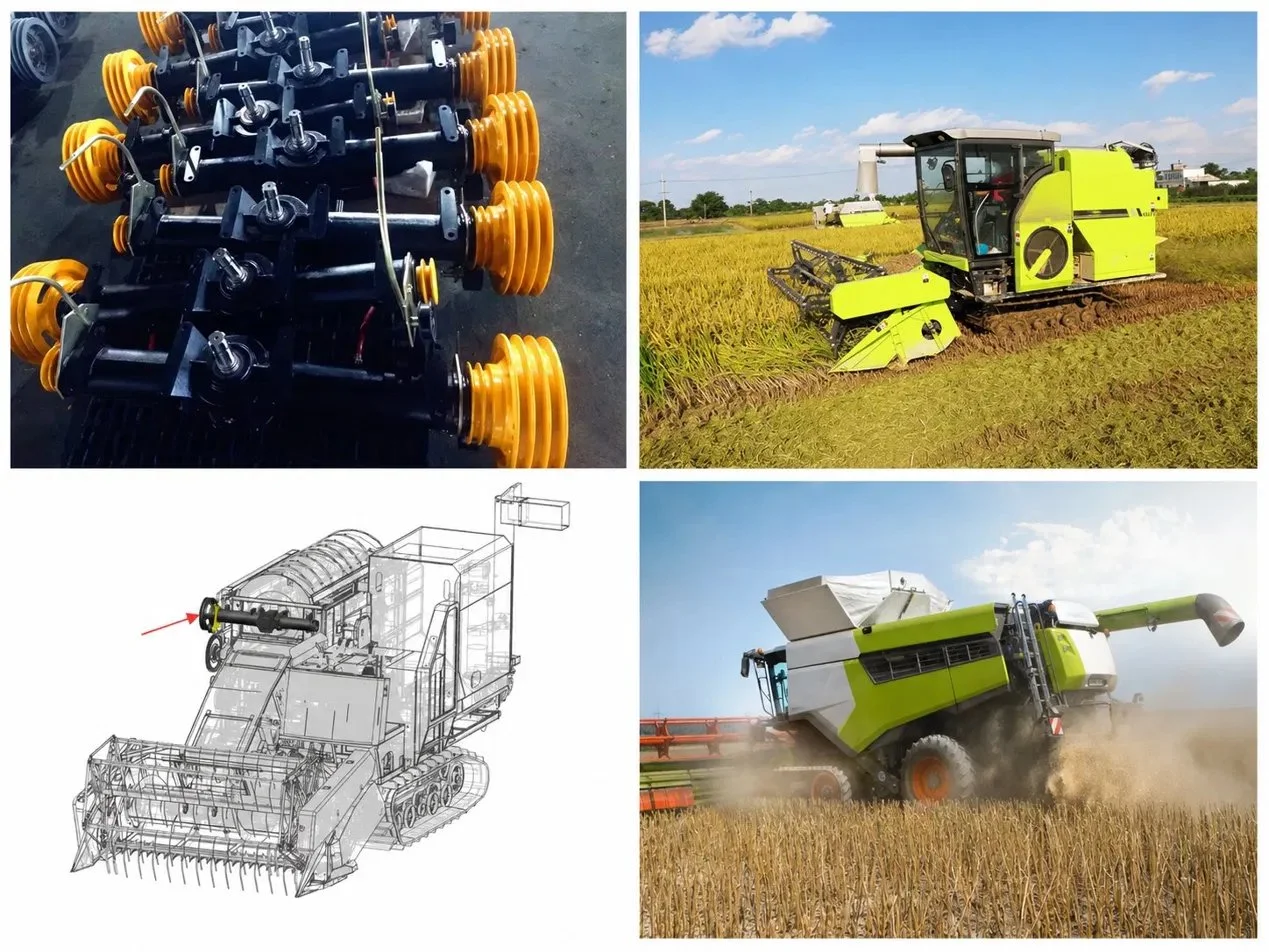
Selection Guide — Matching the Reversing Gearbox to Your Harvester
Follow these steps to confirm compatibility before ordering:
- Identify your harvester model and year. Korean-market combine harvesters from Daedong (Kioti), TYM, Kukje, and imported models from Kubota, Yanmar, and John Deere each have specific gearbox mounting interfaces. Provide your harvester make, model, and production year when requesting a compatibility check.
- Measure the existing gearbox mounting interface. Record the bolt pattern (number of bolts, circle diameter, bolt size), input shaft spline profile, output shaft diameter and type, and the distance between the mounting face and the centerline of each shaft. The reversing gearbox must match these dimensions to ensure direct bolt-on installation.
- Confirm the shift mechanism type. Different harvester models use mechanical cable, hydraulic cylinder, or electronic actuator controls for the reverse engagement. Specify your control type to receive a gearbox with the matching shift interface — cable bracket, hydraulic port, or electric solenoid.
- Determine the required direction of rotation. The 1:1.53 ratio applies in both forward and reverse, but the rotational direction of the output shaft must match the threshing drum or feeder chain direction specified by the harvester manufacturer. Clockwise and counter-clockwise versions are available.
- Select color finish. Standard options are dark (black enamel) and red (agricultural equipment red). Custom colors available for OEM orders of 10+ units to match your harvester brand's color scheme.
Reversing vs. Single-Direction Gearbox — Is the Upgrade Worth It?
Many older and economy-model combine harvesters use single-direction gearboxes that only drive the threshing mechanism forward. Upgrading to a reversing gearbox adds cost and mechanical complexity — here is where that investment pays off and where it does not.
| Faktor | Reversing Gearbox (This Unit) | Single-Direction Gearbox |
|---|---|---|
| Blockage Clearing Time | 10-15 seconds (from cab) | 15-20 minutes (manual) |
| Operator Safety | Operator stays in cab | Exposure to rotating parts |
| Wet Crop Performance | Handles frequent blockages | Frequent manual intervention |
| Internal Complexity | Higher (shift mechanism) | Simpler (fewer parts) |
| Unit Cost | Vyššia | Nižšie |
| Daily Harvest Output | Higher (less downtime) | Lower in wet conditions |
| Ideal Conditions | Wet/dense/lodged crops | Dry, uniform, standing crops |
| ROI Breakeven | 1-2 harvest seasons | N/A (baseline cost) |
For Korean rice operations — where autumn rain makes wet-crop blockages a near-daily occurrence during harvest — the reversing gearbox pays for itself within the first season through reduced downtime alone. For operations harvesting only dry grain in arid conditions (rare in Korea's monsoon climate), the single-direction gearbox remains adequate. The 1.5-year warranty covers the initial investment risk for operators evaluating the upgrade.
Harvest Efficiency Impact Analysis
The reversing gearbox's value comes from downtime reduction rather than mechanical power efficiency. Here is how the numbers work for a typical Korean rice harvest operation.
- ⚠ Blockage frequency in wet rice: Combine harvesters processing rice at 25%+ moisture encounter 8-15 blockage events per hectare. At 15 minutes per manual clearing, that is 2-3.75 hours of downtime per hectare. With the reversing gearbox, the same blockages clear in 10-15 seconds each — total downtime drops to approximately 2-3 minutes per hectare. On a 30-hectare operation, the seasonal time saving reaches 60-110 hours.
- ⚠ Additional hectares harvested per day: A combine harvester processing rice at 0.8-1.2 hectares per hour loses 25-40% of its daily capacity to blockage clearing in wet conditions. The reversing gearbox recovers most of that lost time, adding 2-3 hectares to the daily output on a harvester that would otherwise complete 6-8 hectares per day.
- ⚠ Grain loss reduction: Each time a blockage forces the harvester to stop and restart the threshing process, grain in the transition zone between the feeder and the threshing drum is partially processed and partially lost. Estimates from Korean agricultural extension studies place this transition loss at 0.3-0.5% of grain throughput per blockage event. Across 200+ blockages per season on a 30-hectare operation, the cumulative grain saving from faster blockage clearing is measurable.
- ⚠ Mechanical power efficiency: The 1:1.53 bevel gear set itself operates at 96-97% mechanical efficiency in both forward and reverse directions. The shift mechanism adds minimal friction when fully engaged — the primary power loss occurs during the brief transition phase as the shift mechanism moves between forward and reverse detents.
Balenie a dodanie
- ◈ Individual Crating — Each gearbox is crated in a plywood export box with foam cushioning and VCI (Volatile Corrosion Inhibitor) wrap to protect machined surfaces during shipping and storage. The shift mechanism is locked in neutral position for transit safety.
- ◈ Pre-Harvest Season Stocking — Korean rice harvest occurs in a 3-4 week window during October-November. Order before August to ensure the gearbox is on hand for pre-harvest combine harvester maintenance. Emergency orders ship within 48 hours from Incheon warehouse.
- ◈ Kórejské domáce — Metropolitan areas 2-3 business days; agricultural regions in Jeolla, Chungcheong, and Gyeongsang 3-5 business days. Expedited shipping available for mid-harvest breakdowns.
- ◈ OEM Bulk Orders — Harvester manufacturers ordering 20+ units receive palletized shipping with per-unit QC documentation including bearing clearance measurements, gear mesh pattern verification, and shift mechanism function test results. Custom color matching included at no surcharge on OEM volume orders.
- ◈ Warranty Documentation — Each unit ships with a warranty certificate covering defects in materials and workmanship for 1.5 years from date of purchase. Warranty claims processed through Korean distributor network with replacement units shipped within 72 hours.
Complete Harvester Drive Components
The combine harvester drive system connects to the engine through various transmission stages. For PTO-driven implements used alongside the combine during harvest season — grain augers, grain carts, and bale wagons — a properly rated vývodový hriadeľ ensures reliable power delivery between tractor and implement.
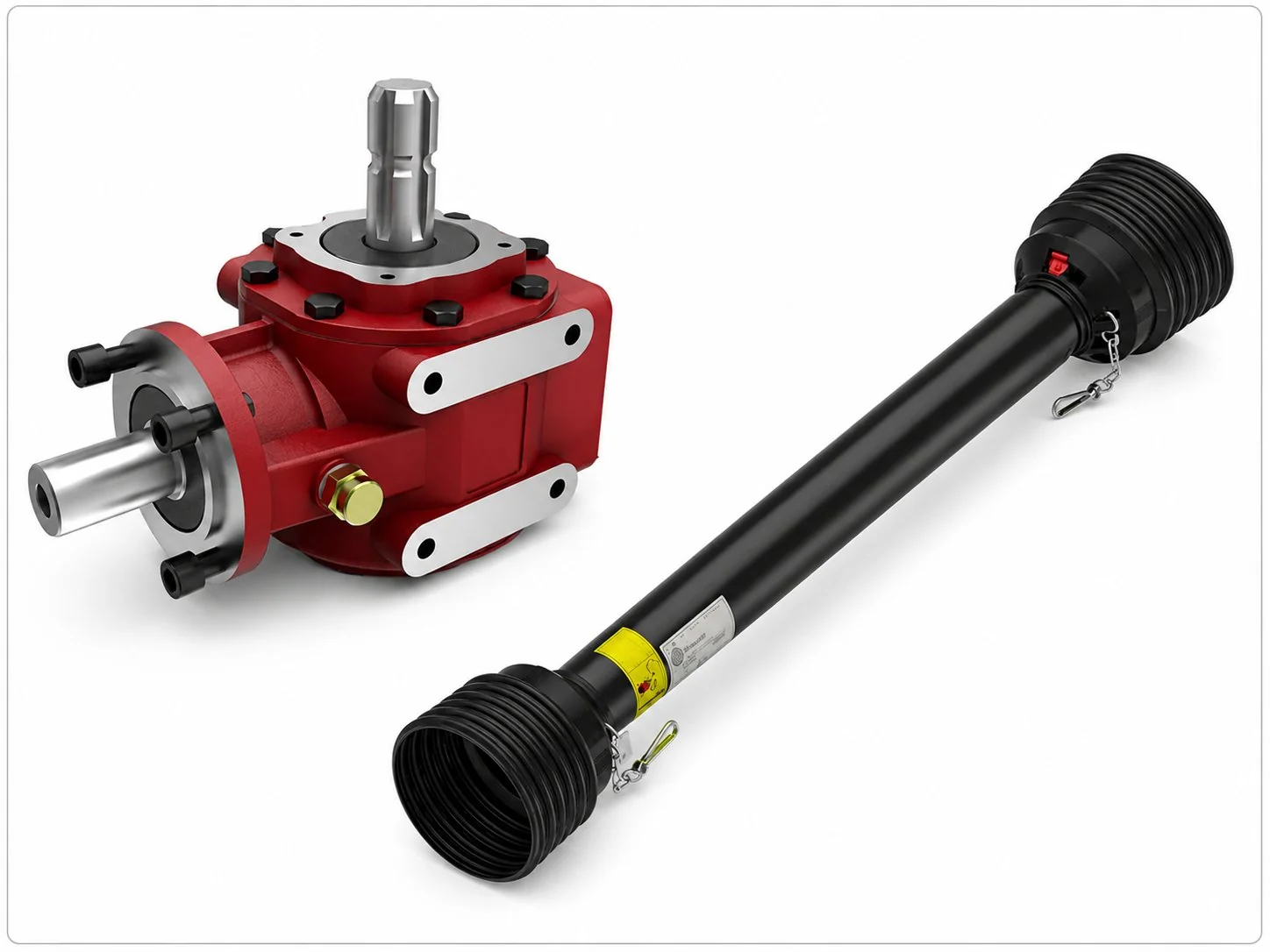
Naše poľnohospodárska prevodovka catalog covers gearboxes for headers, threshers, augers, and other harvesting mechanisms. Browse the full prevodovka s vývodovým hriadeľom na predaj collection for all available drive units with factory-direct Korean pricing.
Často kladené otázky
How quickly can the operator shift between forward and reverse?
The shift mechanism transitions in under 2 seconds. The recommended procedure is to reduce engine RPM before shifting, engage reverse, briefly run at reduced RPM to clear the blockage, then disengage reverse and resume forward operation at full RPM. Total cycle time from blockage detection to resumed harvesting is 10-15 seconds for an experienced operator.
Does the 1:1.53 ratio change the threshing drum speed from the original specification?
The ratio is designed to match the specific harvester model's threshing speed requirement. If your original gearbox had a different ratio, the threshing drum RPM will change accordingly. Contact our engineering team with your original ratio specification to confirm compatibility before ordering.
Why is QT450 ductile iron used instead of standard grey iron or steel?
QT450 ductile iron combines 450 MPa tensile strength with 10% elongation before fracture — it bends before it breaks. Combine harvesters generate sustained vibration and intermittent shock loads from the threshing process. Standard grey iron (GG25) is more brittle and can crack under the repeated impact cycling that harvester duty produces. QT450's ductility absorbs these loads without fatigue cracking over the 1,000+ hour service life expected from a harvester gearbox.
What maintenance does the shift mechanism require?
The shift detent should be checked for positive engagement at the beginning of each harvest season. A worn detent allows partial engagement that causes grinding and accelerated wear on the direction-changing gear cluster. Adjust or replace the detent spring if the shift lever does not lock firmly into both forward and reverse positions. Lubricate the shift linkage with lithium grease at the same interval.
Can this gearbox be retrofitted to a harvester that currently has a single-direction gearbox?
Retrofit is possible if the mounting interface dimensions match and the harvester's cab has provisions for the shift control (cable bracket, hydraulic line, or electrical connector). Contact us with your harvester model for a compatibility assessment. Most Korean-market Daedong and TYM combines accept the reversing gearbox as a direct upgrade.
How does the 20CrMnTi shaft material perform under repeated directional changes?
20CrMnTi is a carburized gear steel with a hard outer case (HRC 58-62) and tough core (HRC 30-40). The carburized layer resists wear at the bearing and gear contact surfaces, while the tough core absorbs the torsional shock from direction reversals without fatigue cracking. This combination is the standard material selection for reversing and shift mechanisms in Chinese-manufactured agricultural transmission components.
Harvest Season Feedback
Park Chan-ho, Rice Farm Owner — Iksan, Jeollabuk-do, November 2025
"Upgraded our Daedong combine from a single-direction gearbox to this reversing unit before the October harvest. Rain during the first week created wet-crop conditions that used to cost us 2-3 hours of manual jam clearing per day. With the reversing gearbox, we cleared blockages from the cab in seconds. Estimate we gained 2 extra hectares per day of actual harvesting time."
Bae Yeon-seo, Contract Harvester Operator — Nonsan, Chungcheongnam-do, October 2025
"I harvest 150 hectares per season across multiple farms. Time is money — every minute stuck clearing a jam is a minute I am not cutting grain. The reversing gearbox eliminated my biggest productivity bottleneck. Shift to reverse, run for 5 seconds, shift back to forward. The blockage is gone. Easy decision for anyone doing contract harvesting at this scale."
Im Dong-jun, Harvester Dealer — Jeongeup, Jeollabuk-do, September 2025
"Selling the reversing gearbox as an upgrade kit for older Daedong and TYM combines. Customers who harvest in wet conditions see the value immediately. The QT450 housing is noticeably more solid than the grey iron units on some competing products. The 1.5-year warranty gives customers confidence to invest."
Seo Ha-neul, Agricultural Cooperative — Naju, Jeollanam-do, November 2024
"Our cooperative shares 3 combine harvesters among 22 member farms. Installed reversing gearboxes on all three machines. The older members who used to dread climbing off the combine to clear jams especially appreciate the in-cab clearing. Fewer physical injuries during harvest season — last year we had two back strains from manual clearing that kept workers out for days."
Yang Jun-seo, Rice and Barley Farmer — Haenam, Jeollanam-do, June 2024
"Used the reversing gearbox through both barley harvest in June and rice harvest in November. The barley was the real test — green weed stems tangled in the header constantly. In previous years, I would stop 10-15 times per hectare to pull weed wraps off the header auger by hand. This season, reverse, forward, and keep cutting. Finished the same field in two-thirds of the time."
Ďalšie informácie
| Redaktor | Cxm |
|---|
Súvisiace produkty
-
Prevodovka rozmetadla hnojív L-25J | Náhradný vývodový hriadeľ Comer
-
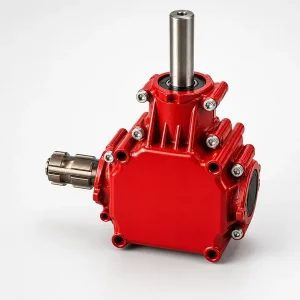
Prevodovka série XL pre poľnohospodárske stroje
-
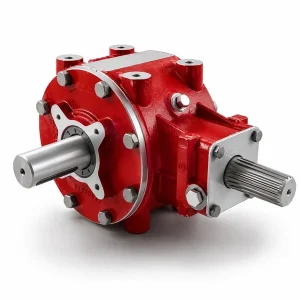
Prevodovka lisu na okrúhle balíky nahrádza model Comer Code T-304A
-
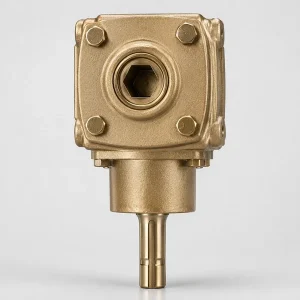
Prevodovka rozmetadla hnoja TB-19C — 28 HP s dvojitou konfiguráciou pohonu s prevodovým pomerom 1:1,46 pre aplikácie s lopatkami a rozmetadlom
-
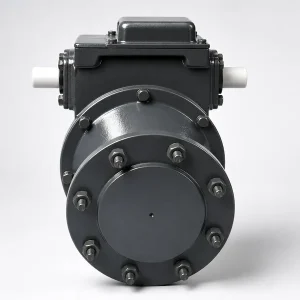
Prevodovka pohonu zavlažovacích kolies radu AEP-1 — koncový prevod so závitovkovým prevodom 50:1 a 52:1 pre systémy so stredovým otočným a lineárnym pohybom
-
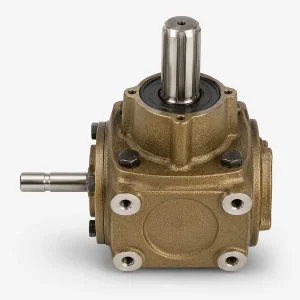
Uhlová prevodovka T-19A — 28 HP viacúčelový pravouhlý pohon s prevodovým pomerom 1,46:1 pre kultivátory, kosačky a rozmetadlá
-
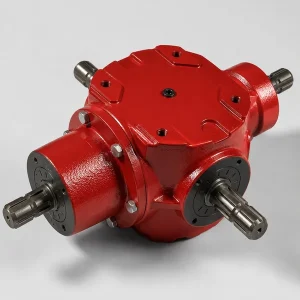
Prevodovka pre okrúhly lis EP2100-T3 — 80 HP špirálový reduktor rýchlosti s prevodovým pomerom 2,1:1 pre balíkovacie a zberacie zariadenia
-
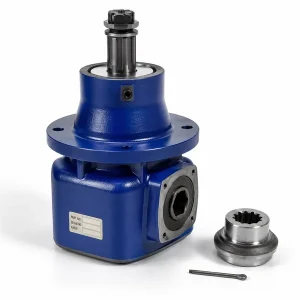
Prevodovka rotačnej kosačky LF-199A — 45 CV dvojvýstupný zvyšovač otáčok pre pohon poľnohospodárskych nožov pri 540 ot./min.