Vad en roterande jordfräsväxellåda faktiskt gör
En roterande jordfräsväxellåda utför tre samtidiga mekaniska funktioner. För det första omdirigerar den kraftaxeln: traktorns kraftuttagsaxel roterar på en ungefär horisontell längsgående axel, medan jordfräsens rotoraxel löper på en horisontell tvärgående axel – en 90-graders riktningsförändring. För det andra multiplicerar den vridmomentet: de flesta jordfräsar behöver att rotorn roterar långsammare än kraftuttaget men med betydligt mer kraft, så växellådan minskar hastigheten och ökar vridmomentet med ett definierat förhållande. För det tredje absorberar den reaktionskrafter: varje blad som träffar jord, sten eller rot skickar en stötimpuls tillbaka genom rotoraxeln, genom växellådans lager och in i huset – växellådan måste motstå tusentals av dessa mikrostötar per minut utan att lossa interna komponenter eller spricka i huset.
Tillsammans gör dessa tre funktioner jordfräsens växellåda till en av de mest mekaniskt krävande kraftuttagsväxellådorna inom jordbruket. Till skillnad från en roterande skärmaskin som roterar fritt i luften mellan tillfälliga kontakter, eller en balpress som gradvis bygger upp lasten, är en roterande jordfräs i kontakt med jorden kontinuerligt och med hög knivtäthet – vanligtvis 4 till 6 knivar per fläns, med 20 till 40 flänsar över rotorbredden, vilket skapar hundratals jordkontakter per varv.
Att förstå tekniken bakom den här växellådan hjälper utrustningsköpare, återförsäljare och fältservicetekniker att välja rätt enhet, underhålla den korrekt och diagnostisera problem innan de leder till katastrofala haverier.
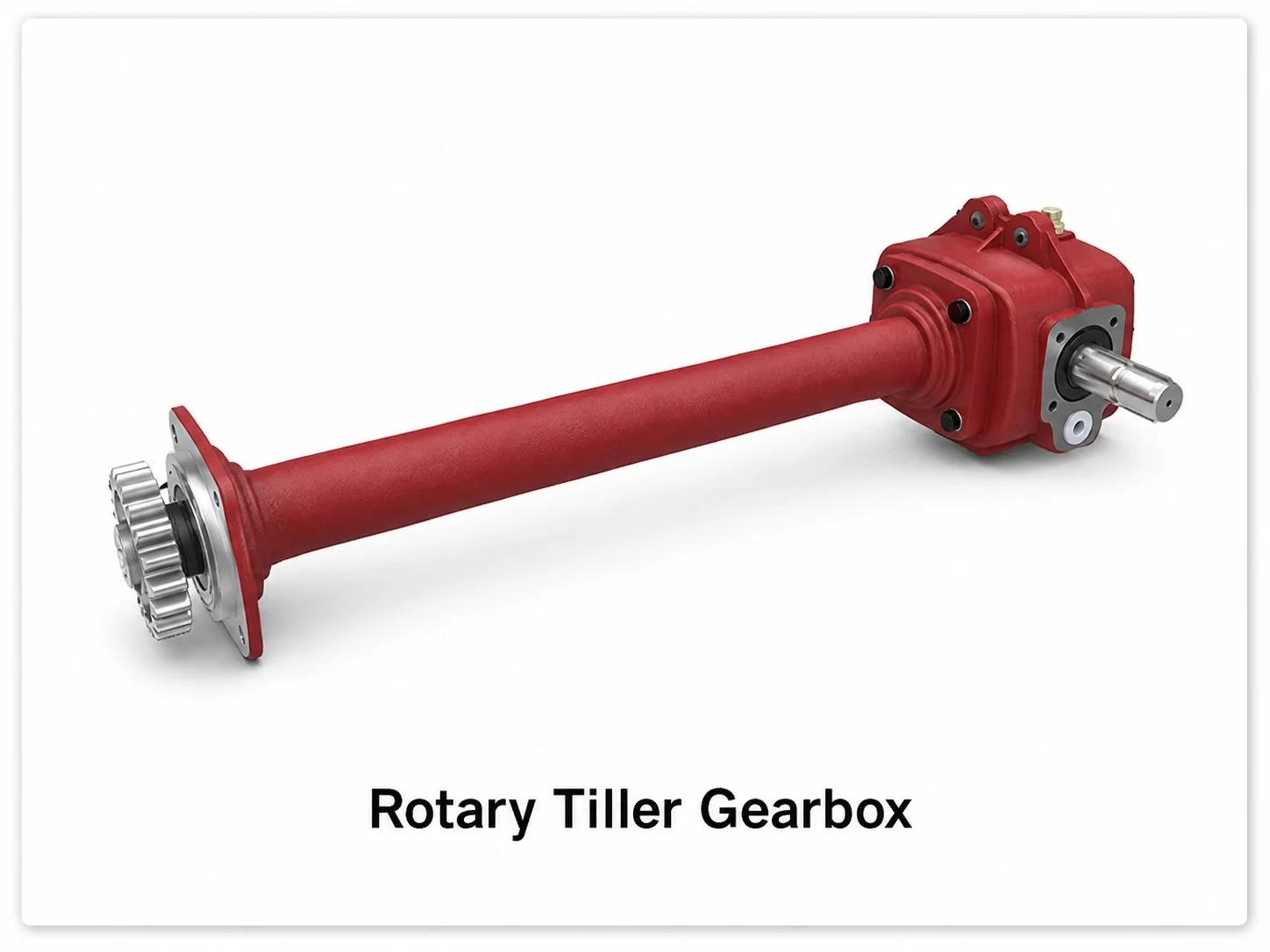
Sidodrivning kontra mittdrivning
Det enskilt största konstruktionsbeslutet inom rotorfrästeknik är var huvudväxellådan ska placeras i förhållande till rotorn. Detta val påverkar jämnheten i jordbearbetningen, strukturell belastning, viktfördelning och servicevänlighet. De två dominerande konfigurationerna har var och en distinkta fördelar och tekniska avvägningar.
Sidodrivningskonfiguration
I en sidodriven jordfräs sitter huvudväxellådan för kraftuttaget i ena änden av rotorn – vanligtvis på höger sida sett bakifrån traktorn. Kraftuttagets drivlina går in i växellådan bakifrån, vinkeldreven omdirigerar kraften 90 grader och den utgående axeln sträcker sig över jordfräsens hela bredd och driver alla knivflänsar direkt. Detta är den vanligaste konfigurationen på kompakta jordfräsar (122 till 193 cm arbetsbredd) och lätta till medeltunga modeller som används för trädgårdsskötsel, småskalig grönsaksodling och landskapsarkitektur.
Sidodrivningsarrangemanget är mekaniskt enklare: en växellåda, en uppsättning kugghjul, en oljevolym att upprätthålla. Det skapar dock en asymmetrisk lastfördelning – änden närmast växellådan har högre vridmoment än den bortre änden, eftersom vridmomentet förbrukas progressivt längs rotorn när varje knivfläns utvinner energi från axeln. I tung lera kan det hända att knivarna i den bortre änden inte får tillräckligt med vridmoment för att penetrera helt, vilket resulterar i ojämnt bearbetningsdjup över bredden.
Själva den sidodrivna rotoraxeln måste vara tillräckligt stark för att överföra fullt vridmoment vid växellådsänden samtidigt som den stöder böjbelastningar från sin egen vikt och markreaktionskrafterna över sitt ostödda spann. Bredare jordfräsar (bortom cirka 72 tum) i sidodriven konfiguration riskerar överdriven axelnedböjning – axeln böjer sig under belastning, vilket ändrar bladets spetsfrigång från jordfräskåpan och skapar vibrationsövertoner som accelererar lagerslitage.
Center-Drive-konfiguration
I en mittdriven jordfräs är huvudväxellådan monterad mitt på jordfräsens ram, direkt ovanför rotorns centrum. Kraftuttagsdrivlinan kommer in bakifrån genom en rätvinklig ingående växellåda (ibland kallad "topplådan"), som driver en horisontell tväraxel som matar den centrala huvudväxellådan. Huvudväxellådan fördelar sedan kraften till båda rotorhalvorna genom sin utgående axel, som sträcker sig lika i båda riktningarna.
Denna konfiguration halverar det ostödda axelspannet på varje sida, vilket dramatiskt minskar axelnedböjningen och säkerställer en jämnare momentfördelning över hela jordbearbetningsbredden. Centrumdrivna jordfräsar är standard på medelstora och tunga modeller (72 till 120+ tum arbetsbredd) som används för kommersiellt jordbruk, hantering av fruktträdgårdsgolv och primär jordbearbetning i radgrödor. Den symmetriska lastfördelningen minskar också lagerbelastningarna på växellådan – varje utgående lager bär halva rotorvikten och halva den totala jordreaktionskraften jämfört med en sidodriven design.
Avvägningen är komplexitet och kostnad. En mittdriven jordfräs kräver antingen två växellådor (ingångsvinkellåda plus central fördelningslåda) eller ett mer komplext enda hus med båda funktionerna integrerade. Oljetätning är mer utmanande eftersom den centrala positionen utsätter växellådan för jordstänk från båda sidor. Åtkomst vid service är också svårare – växellådan är begravd mitt i maskinen, omgiven av jordfräsens huv, rotor och ramkonstruktion.
◀️
Bäst för sidostyrning
Kompakta och subkompakta traktorer (15–45 hk), arbetsbredder under 72 tum, trädgårds- och landskapsarkitektur, lätta till medeltunga jordtyper. Fördelar: lägre kostnad, enklare underhåll, lättare vikt.
⬇️
Centerdrive Bäst för
Traktorer för allmännyttiga och radodlingsbruk (45–150+ hk), arbetsbredder 190 cm och mer, kommersiellt jordbruk, tung lera och primär jordbearbetning. Fördelar: jämnt djup, lägre axelbelastning, hanterar högre hk.
Mekanik för bladingrepp: Krafter som växellådan måste hantera
Varje jordfräsblad följer en cykloidal bana – det följer en kurva som kombinerar rotorns rotation med traktorns framåtrörelse. Vid varje given tidpunkt skär endast en bråkdel av bladen på rotorn aktivt marken; resten svänger genom luften inuti jordfräsens huv. Detta skapar ett pulserande vridmomentbehov som cyklar med bladets passeringsfrekvens: antalet blad per fläns multiplicerat med rotorns varvtal.
En typisk jordfräs med fyra blad per fläns som arbetar med 200 varv/min skapar en momentpulsation med 800 cykler per minut (13,3 Hz). Denna frekvens ligger inom det område som exciterar resonans i dåligt konstruerade höljen och monteringsstrukturer – vilket förklarar varför vissa jordfräsväxellådor utvecklar sprickor i höljet vid monteringsbulthålen även när den genomsnittliga momentbelastningen ligger väl inom konstruktionsgränserna. Växellådshuset måste ha tillräcklig väggtjocklek och ribbförstärkning för att motstå utmattning vid denna pulsationsfrekvens, inte bara den statiska belastningen.
Bladingreppskrafterna delas upp i tre komponenter som växellådslagren måste stödja samtidigt. Den tangentiella kraften – skärkraften som verkar i bladets rotationsriktning – skapar den momentbelastning som kugghjulets tänder måste överföra. Den radiella kraften – jorden som trycker tillbaka mot bladet i riktning mot rotorns mittlinje – skapar en böjbelastning på rotoraxeln och axialtryck på växellådslagren. Den framåtriktade bromskraften – markmotståndet som motverkar traktorns framåtrörelse – bidrar till den totala dragstångsbelastningen men skapar också ett cykliskt moment på växellådsinsatsen som försöker rotera hela jordfräsen framåt runt 3-punktskopplingen.
⚙️ Hur bladhastigheten påverkar växellådans belastning
”Bettlängden” – den jordbåge som varje blad avlägsnar per överfart – beror på förhållandet mellan framåthastighet och rotorhastighet. Högre framåthastighet vid samma rotorvarvtal ökar bettlängden, vilket ökar vridmomentbehovet per blad eftersom varje blad måste skära igenom en tjockare jordskiva. Det är därför som växellådan överbelastas om traktorn körs för fort för kraftuttagsvarvtalet, även om motorn inte är på full effekt.
Tumregel: För fin såbäddsberedning, sikta på en bettlängd på 25–50 mm. För grov inblandning av grödorester är 50–100 mm acceptabelt. Minska framåthastigheten eller öka rotorns varvtal (via motorgasreglaget) om jordfräsen lämnar klumpar — växellådan ombeds överföra mer vridmoment per kniv än optimalt.
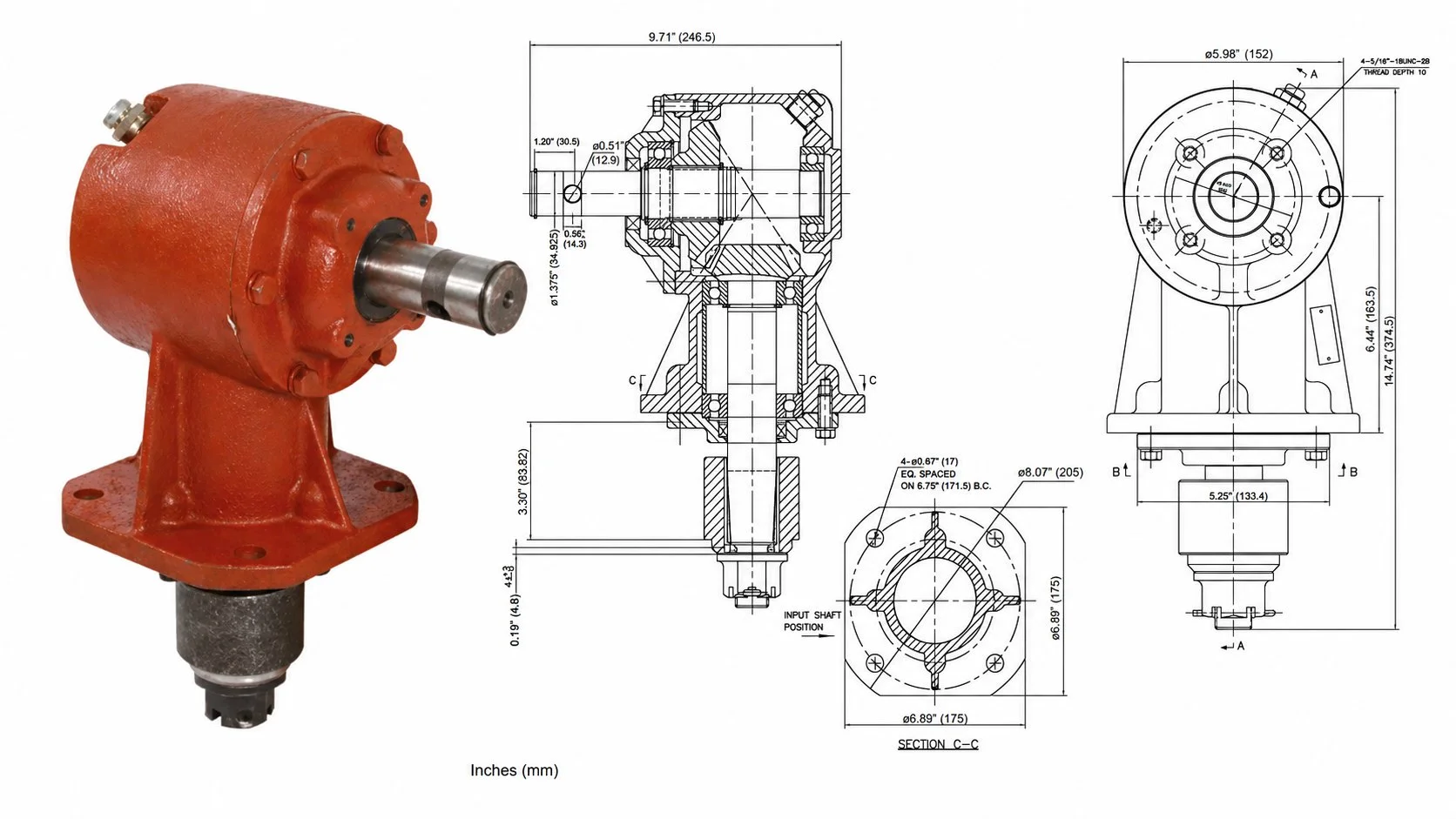
Måttreferens för rätvinklig växellåda — ingående axel, utgående axel och monteringsbultmönstergeometri tillämplig på rorkultsdrivenheter
Jordtyp och dess inverkan på växellådsbelastning
Jordklassificering är den primära variabeln som avgör hur mycket vridmoment växellådan måste leverera och hur mycket stötar den måste absorbera. Olika jordtyper uppvisar radikalt olika mekaniska motstånd mot de roterande bladen, och växellådans dimensionering måste ta hänsyn till värsta tänkbara fältförhållanden – inte genomsnittliga förhållanden.
| Jordtyp | Skärmotstånd | Risk för påverkan | HP per fot bredd | Problem med växellådan |
|---|---|---|---|---|
| Sandig lerjord | Låg | Minimal | 3–5 hk/ft | Slipande damm som tränger in i tätningar |
| Siltjord | Måttlig | Låg | 5–8 hk/ft | Bibehållet måttligt vridmoment |
| Tung lera | Hög | Måttlig (bitar) | 8–14 hk/ft | Ihållande högt vridmoment, termisk belastning |
| Stenigt / grus | Variabel | Hög | 10–16+ hk/ft | Stötdämpning på tänder och lager |
| Komprimerad underjord | Mycket hög | Måttlig | 12–18 hk/ft | Kontinuerligt toppmoment, lagerutmattning |
Kolumnen "HK per fot arbetsbredd" är det primära dimensioneringsmåttet för jordfräsars växellådor. En 60-tums (5-fots) jordfräs som arbetar i tung lera behöver 40–70 PTO-hk – och växellådan måste vara klassad för minst 125% av det intervallet för att ge en tillräcklig säkerhetsmarginal. Underdimensionering av växellådan för jordförhållandena är den främsta orsaken till förtida fel på jordfräsväxellådan, eftersom förare ofta bearbetar i fält med blandade förhållanden där fläckar av tung lera eller inbäddade stenar skapar lokala toppbelastningar som överstiger växellådans märkdata även om den genomsnittliga belastningen är acceptabel.
Fukthalten ger ytterligare en dimension. Våt lera är betydligt svårare att bearbeta än torr lera – den sammanhållande styrkan hos mättad lera kan fördubbla eller tredubbla skärmotståndet jämfört med samma jord vid optimal fuktighet. Att bearbeta våt lera är det enskilt mest straffande scenariot för alla jordbruksväxellåda — den kombinerar ihållande högt vridmomentbehov med tendensen att våt jord packas runt tätningarna och invaderar växellådshuset med slipande lera.
Kopplingsmetoder mellan växellåda och rorkult
Kopplingen mellan växellådans utgående axel och rorkultens rotor måste överföra hela vridmomentet samtidigt som den absorberar feljustering, vibrationer och stötar. Tre kopplingsmetoder dominerar marknaden, var och en med sina distinkta tekniska egenskaper:
Direkt flänskoppling
Växellådans utgående axel och rotoraxeln är bultat ihop med motflänsar. Detta är den styvaste, mest kompakta och mest effektiva kopplingsmetoden – noll glapp, noll effektförlust och utmärkt vridmomentkapacitet. Nackdelen är att perfekt uppriktning krävs under monteringen. Eventuell feljustering skapar cykliska böjbelastningar på båda axlarna som accelererar lagerhaveri. Används på mittväxelkonstruktioner där växellådan är permanent integrerad i rorkultramen.
Kedjedrift
En rullkedja kopplar ett kedjehjul på växellådans utgång till ett kedjehjul på rotoraxeln. Kedjedriften hanterar mindre feljusteringar och ger ett ytterligare hastighetsreduceringssteg (om kedjehjulen har olika storlekar). Kedjor kräver dock smörjning, regelbunden spänningsjustering och utbyte när de är slitna – vilket ökar underhållsbördan. Kedjeslag under belastningsomkastning skapar ytterligare buller och stötbelastning. Vanligt på sidodrivna kompakta jordfräsar där växellådan och rotoraxeln är fysiskt förskjutna.
Invändig kugghjulsdrift
Vissa kraftiga jordfräsar integrerar hastighetsreducering och kraftfördelning i en sluten kugghjulslinje som delar växellådshuset – i huvudsak en växellåda med flera utgångar och integrerad rotordrift. Detta eliminerar den externa kopplingen helt och placerar all kraftöverföring inuti ett slutet, smort hölje. Det är den mest hållbara och minst underhållskrävande metoden, men också den dyraste och mest komplexa att reparera om interna komponenter går sönder. Finns på europeiska premiummärken av jordfräsar och industriella stengrävmaskiner.
Val av kugghjulsmaterial, utväxling och tandprofil
Jordfräsar använder vanligtvis spiralformade koniska kugghjul för 90-graders kraftomdirigering. Den spiralformade kuggformen fördelar belastningen över flera kuggar samtidigt, vilket minskar toppkontaktspänningen jämfört med raka koniska kugghjul. Detta är avgörande för jordfräsar eftersom den pulserande vridmomentbelastningen innebär att kuggkontakttrycket cyklar med bladets passeringsfrekvens – en rak konisk kugghjulsuppsättning skulle utmattas mycket snabbare under detta cykliska belastningsmönster.
Kugghjulsmaterialet måste balansera ythårdheten (för slitstyrka vid kontaktytan) med kärnans seghet (för slagtålighet när blad träffar stenar). Den optimala metallurgiska metoden är karburerat legerat stål – kvaliteter som 20CrMnTi eller 8620 som är sätthärdade till HRC 58–62 på ytan samtidigt som de bibehåller en seg, duktil kärna vid HRC 30–35. Genomhärdade kugghjul (jämnt härdade) är billigare men spröda – de motstår slitage väl men spricker under stötbelastning, vilket gör dem olämpliga för steniga jordförhållanden.
Utväxlingsförhållandena för jordfräsar faller inom ett smalt band jämfört med andra kraftuttagstillämpningar. De flesta jordfräsar driver rotorn mellan 150 och 300 varv/min, drivet av 540 varv/min kraftuttagsingång – vilket kräver utväxlingar mellan 1,8:1 och 3,6:1. Det specifika utväxlingsförhållandet avgör avvägningen mellan jordpulveriseringskvalitet (högre rotorvarvtal = finare jordbearbetning) och vridmomentkapacitet (lägre rotorvarvtal = mer kraft för tung jord). Vissa jordfräsar erbjuder en tvåväxlad växellåda med valbara utväxlingar: en lägre utväxling för primär bearbetning i tung jord och en högre utväxling för såbäddsfinish i lätt jord.
| Ansökan | Utväxlingsförhållande | Rotorvarvtal (från 540) | Tilth-kvalitet |
|---|---|---|---|
| Primär jordbearbetning (tung lera) | 3,0:1 till 3,6:1 | 150–180 | Grov — jordklumpbrytning, inkorporering av rester |
| Allmänt bruk (blandad jord) | 2,2:1 till 3,0:1 | 180–245 | Medium — lämplig för de flesta planteringar |
| Såbäddsbehandling (lätt jord) | 1,8:1 till 2,2:1 | 245–300 | Fin — såbäddsklar i ett svep |
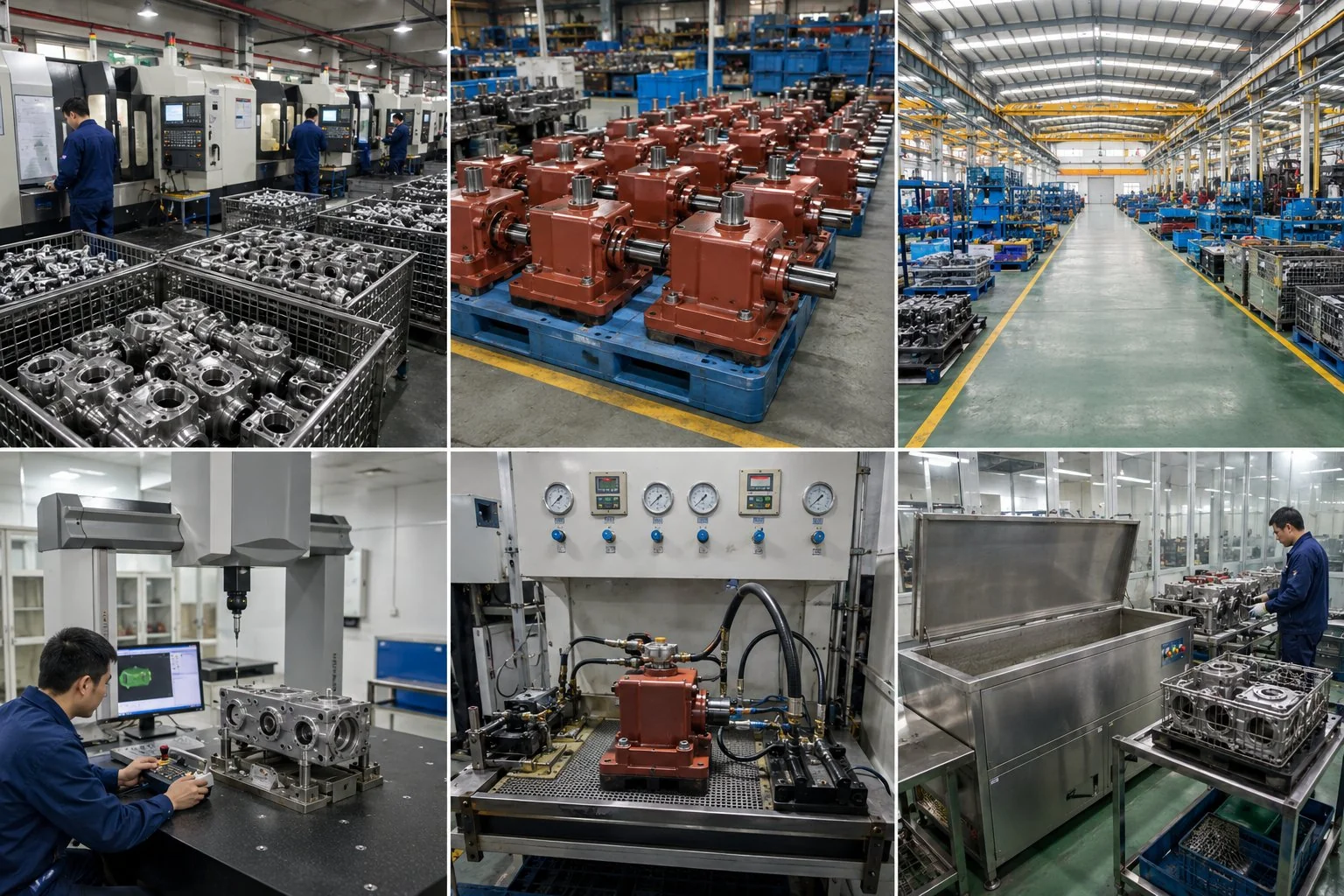
Smörjning i en miljö med höga vibrationer
Roterande jordfräsar genererar mer ihållande vibrationer än nästan alla andra kraftuttagsredskap. Den kontinuerliga interaktionen mellan blad och jord skapar bredbandsvibrationer över ett frekvensområde som penetrerar varje komponent – och växellådans smörjsystem måste fungera tillförlitligt trots denna konstanta mekaniska störning.
Det primära problemet är oljeskumning. Vibrationer rör om växellådsoljan och innehåller luftbubblor som minskar oljans förmåga att bilda en hydrodynamisk film mellan kugghjulets tänder och lagerrullar. Skummad olja kan inte bära last – metall-mot-metall-kontakt uppstår även om oljenivån verkar tillräcklig på siktglaset. EP-växellådsolja (extremt tryck) med skumdämpande tillsatser är inte valfritt för rorkultsväxellådor; det är viktigt. Standard icke-EP-växellådsolja kommer att skumma under rorkultsvibrationer och orsaka accelererat slitage under den första säsongen.
Oljenivåhantering är också viktigare än i applikationer med lägre vibrationer. Vibrationer gör att oljan stänker högre inuti huset än vad gravitationen ensam skulle göra, vilket kan leda till att de bottenlagrade lagren och kugghjulsingreppet svälter samtidigt som de övre husväggarna och andningsventilen täcks med överflödig olja. Fyllning till rätt nivå – inte över, inte under – säkerställer att stänkmönstret smörjer alla interna komponenter ordentligt under vibrationsförhållanden.
🛢️ Smörjningsrekommendationer för rorkultsväxellådor
Oljetyp: EP 80W-90 med skumdämpande tillsatser (minst API GL-5-klassad).
Ändringsintervall: Var 75–100:e driftstimme, eller tidigare om oljan ser mörk ut, luktar bränt eller visar metallpartiklar på den magnetiska avtappningspluggen.
Fyllningsnivå: Till mitten av synglaset eller botten av påfyllningshålet (enligt tillverkarens anvisningar). Kontrollera med jordfräsen på plan mark och vid omgivningstemperatur.
Inbrott: Kör de första 2 timmarna på reducerat djup och hastighet, töm sedan och fyll på. Inledande inkörningsolja fångar upp bearbetningspartiklar som annars skulle cirkulera och nöta kugghjulsytor.
Tätningsintegritet och skydd mot förtäring av skräp
Jordfräsar arbetar flera centimeter ovanför markytan i en miljö mättad med luftburet damm, jordpartiklar och fukt. Utgående axeltätning är den mest sårbara punkten – den roterar med rotorhastighet medan jordskräp ständigt är i kontakt med tätningsytan. En trasig utgående tätning gör att markförorenad fukt kan tränga in i huset och omvandla ren växellådsolja till en slipande uppslamning som förstör kugghjul och lager inom några timmar efter fortsatt drift.
Kvalitetsväxellådor för rorkult använder ett tätningssystem med flera barriärer: en extern labyrint- eller slungring som slungar bort skräp med hjälp av centrifugalkraften, följt av en axeltätning med dubbla läppar (helst FKM-material för kemikalie- och värmebeständighet), som löper på en polerad axeltapp med en ytjämnhet under Ra 0,4 µm. Andningsventilen måste vara placerad ovanför den högsta oljestänknivån och utrustad med ett filterelement för att förhindra att dammbelagd luft tränger in under tryckutjämningscykeln som sker när hustemperaturen stiger och sjunker under drift.
Daglig inspektion av tätningsområdet efter fräsning är den enskilt mest effektiva förebyggande åtgärden. En tunn oljefilm som sipprar runt den utgående axeln – synlig som en våt ring på axeln precis utanför tätningen – är det tidigaste varningstecknet på tätningsförslitning. Att upptäcka detta tidigt och byta ut tätningen (en relativt billig reparation) förhindrar de katastrofala lager- och växelskador som uppstår när förorenad olja cirkulerar genom växellådan i veckor.
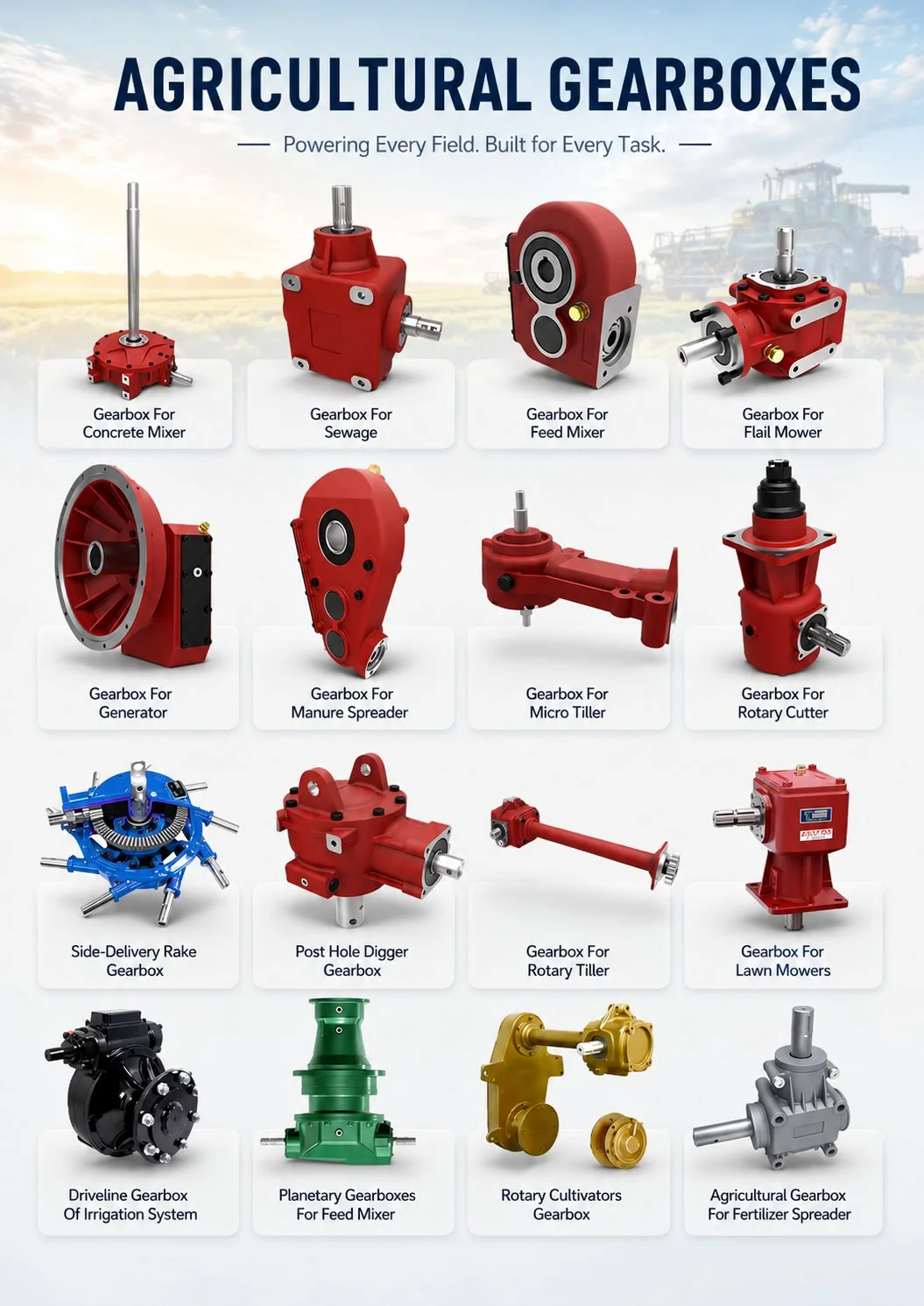
Felsökning av vanliga problem med rorkultens växellåda
Jordfräsväxellådor uppvisar felmönster som skiljer sig från andra kraftuttagstillämpningar. Kombinationen av kontinuerlig inkoppling, hög vibration och markexponering skapar ett unikt diagnostiskt landskap:
Växellådan överhettas i tung lera — Det ihållande höga vridmomentbehovet i lera genererar mer värme än lättare jordförhållanden. Kontrollera oljenivå och typ (måste vara EP-klassad). Minska framåthastigheten för att minska bettlängden och vridmomentbehovet. Om problemet kvarstår kan växellådan vara för liten för jordförhållandena — överväg en enhet med högre hk-värde.
Vibrationer ökar under säsongen — Progressiv ökning av vibrationer indikerar slitna lager, lösa monteringsbultar eller utvecklande skador på kugghjulet. Kontrollera först lagrets förspänning. Verifiera sedan att alla monteringsbultar har specificerat åtdragningsmoment. Om båda är korrekta, töm oljan och inspektera för metallpartiklar — förekomsten av fragment av kugghjulsmaterial bekräftar interna skador som kräver demontering.
Oljeläckage vid utgående axel endast under jordfräsning — Om tätningsområdet är torrt när det stoppas men läcker under drift, kan andningsventilen vara blockerad. Internt tryck byggs upp när oljan värms upp under bearbetning, vilket tvingar oljan förbi tätningen. Rengör eller byt ut andningsventilen först — det är den vanligaste orsaken till tätningsläckor enbart under drift.
Klickande eller knackande ljud från växellådans inmatningsområde — Vanligtvis orsakad av slitage Kraftöverföringsaxel Kardanleder som överför drivlinans glapp till växellådans ingående splines. Jordfräsens högvibrerande miljö accelererar kardanledens slitage snabbare än redskap med lägre vibrationer. Inspektera drivlinan och byt ut alla kardanleder med märkbart glapp.
Ojämnt jordbearbetningsdjup över arbetsbredden — På sidodrivna jordfräsar kan detta indikera att rotoraxeln böjs ut under belastning — växellådsänden gräver djupare eftersom den har mer vridmoment, medan den bortre änden gräver grundare. Detta är en konstruktionsbegränsning för sidodrivningskonfigurationen i tung jord. Lösningen är en mittdriven jordfräs eller en jordfräs som är konstruerad för de faktiska jordförhållandena, inte enbart ett växellådsbyte.
Att hitta en ersättningsväxellåda för roterande jordfräs
När en jordfräsväxellåda går sönder måste ersättningen matcha originalet vad gäller utväxling, monteringsbultmönster, utgående axeldimensioner och rotationsriktning. Eftersom jordfräsar tillverkas av dussintals märken världen över – från italienska premiumtillverkare till kinesiska tillverkare av kompakttraktorer – är korsreferenslandskapet brett. En kvalificerad eftermarknadstillverkare kan matcha de flesta OEM-konfigurationer med artikelnummer eller mått.
De viktigaste kvalitetsindikatorerna för rorkultsväxellådor är samma grunder som gäller för alla Kraftuttagsväxellåda tillämpningar: dokumenterad specifikation för kugghjulsmaterial och värmebehandling, märkeslager med verifierade belastningsvärden, FKM- eller dubbelläppstätningsteknik och 100%-fabriksbelastningstestning före leverans. Om du behöver en specifik korsreferens, kontakta vårt teknikteam med OEM-artikelnummer, jordfräsmärke och modell, eller detaljerade mått – verifierar vi kompatibilitet innan någon enhet skickas.
Vanliga frågor
Behöver du en jordfräsväxel byggd för din jord?
Ständig kraft tillverkar jordbruksväxellåda Enheter för jordfräsar — med karburerade spiralformade koniska kugghjul, vibrationsdämpande lagerförspänning och FKM-tätningssystem konstruerade för de jordintensiva kraven vid roterande jordbearbetning.
Redaktör: Cxm