เหตุใดเสียงเกียร์จึงไม่ใช่แค่เสียงรบกวนธรรมดา
ทั้งหมด เกียร์ PTO มันสร้างเสียงการทำงานบางอย่าง — การเข้ากันของเฟืองมีลักษณะความถี่เฉพาะตัว ตลับลูกปืนสร้างเสียงหึ่งเบาๆ และเสียงน้ำมันกระเด็นสร้างเสียงกวนเบาๆ เสียงพื้นฐานนั้นเป็นเรื่องปกติ คุณค่าในการวินิจฉัยอยู่ที่... การเปลี่ยนแปลง จากปกติ: มีเสียงใหม่ๆ เกิดขึ้น ความดังที่เพิ่มขึ้น ความถี่ที่แตกต่าง หรือการสั่นสะเทือนที่คุณสามารถสัมผัสได้ผ่านโครงของเครื่องดนตรี ซึ่งไม่เคยมีมาก่อน
การวิเคราะห์เสียงและการสั่นสะเทือนเป็นเครื่องมือการบำรุงรักษาเชิงคาดการณ์ที่เข้าถึงได้ง่ายที่สุดสำหรับผู้ใช้งานเครื่องจักร แตกต่างจากการวิเคราะห์น้ำมันหรือการถ่ายภาพความร้อน ไม่จำเป็นต้องใช้อุปกรณ์พิเศษใดๆ เพียงแค่ผู้ที่มีประสบการณ์และได้รับการฝึกฝนมาเท่านั้น คู่มือนี้ให้กรอบการทำงานที่เป็นระบบสำหรับการตีความสิ่งที่เกียร์ของคุณสื่อสารผ่านเสียงและการสั่นสะเทือน
การจำแนกระดับความรุนแรง: ควรดำเนินการเมื่อใด
ก่อนที่จะวินิจฉัยหาสาเหตุที่แท้จริง ให้ประเมินความรุนแรงของเสียงหรือการสั่นสะเทือนเพื่อพิจารณาว่าคุณต้องรีบแก้ไขมากน้อยแค่ไหน:
| ความรุนแรง | อาการ | ไทม์ไลน์ | การกระทำ |
|---|---|---|---|
| ต่ำ | มีเสียงหึ่งเบาๆ เกิดขึ้นใหม่ที่ความเร็วคงที่ ไม่มีการสั่นสะเทือนเพิ่มขึ้น | หลายสัปดาห์ถึงหลายเดือน | เฝ้าสังเกต; ตรวจสอบระดับและสภาพของน้ำมันเครื่อง; สังเกตรูปแบบที่เกิดขึ้น |
| ปานกลาง | ได้ยินเสียงหอนหรือเสียงครืดคราดเล็กน้อย รู้สึกถึงแรงสั่นสะเทือนเบาๆ ที่ตัวเครื่อง | วันถึงสัปดาห์ | วิเคราะห์สาเหตุที่แท้จริง วางแผนการซ่อมแซม สั่งซื้ออะไหล่ |
| สูง | เสียงบด เสียงกระทบ หรือเสียงเคาะ; การสั่นสะเทือนอย่างรุนแรง; เป็นช่วงๆ | ชั่วโมง | หยุดทันที ตรวจสอบก่อนดำเนินการต่อ |
| วิกฤต | เสียงโลหะเสียดสีกัน; เศษสิ่งสกปรกปนอยู่ในน้ำมัน; เสี่ยงต่อการเกิดอาการชัก | ทันที | ปิดระบบ PTO (Power Take-Off) และห้ามสตาร์ทใหม่จนกว่าจะได้รับการตรวจสอบ |

สาเหตุหลักที่ 1: เสียงหอนของเกียร์
ลักษณะเสียง: เสียงหอนแหลมสูงต่อเนื่องที่ดังขึ้นและเบาลงตามความเร็วของ PTO ความถี่ของเสียงจะแปรผันโดยตรงกับความเร็วของการเข้าเกียร์ กล่าวคือ หากคุณเพิ่มรอบเครื่องยนต์ ระดับเสียงหอนก็จะเพิ่มขึ้นตามสัดส่วน
เกิดอะไรขึ้น: เสียงหอนของเฟืองเกิดจากการขบและแยกตัวของฟันเฟืองเป็นระยะๆ เฟืองทุกตัวจะมีความถี่ในการขบกัน แต่เสียงหอนที่ดังเกินไปบ่งชี้ว่ามีปัญหาอย่างน้อยหนึ่งอย่างดังต่อไปนี้:
🦷
การสึกหรอของผิวฟัน
รอยบุ๋ม รอยขีดข่วน หรือการสึกหรอที่ไม่สม่ำเสมอที่พื้นผิวสัมผัสของฟันเฟือง จะเปลี่ยนรูปแบบการเข้าคู่กัน ฟันเฟืองที่สึกหรอจะสร้างการสัมผัสที่ไม่สม่ำเสมอ ทำให้เกิดพลังงานเสียงที่ความถี่การเข้าคู่กันและฮาร์โมนิกส์ของมัน
📏
การตอบโต้ที่ไม่ถูกต้อง
ระยะห่างระหว่างฟันเฟืองน้อยเกินไปจะทำให้ฟันเฟืองติดขัดและคลายตัว ทำให้เกิดเสียงหอน ในทางกลับกัน ระยะห่างระหว่างฟันเฟืองมากเกินไปจะทำให้ฟันเฟืองกระทบกันระหว่างการเปลี่ยนทิศทางของแรง ทั้งสองสภาวะนี้จะสร้างรูปแบบเสียงที่แตกต่างกันที่ความถี่การทำงานของเฟือง
🛢️
การเสื่อมสภาพของสารหล่อลื่น
น้ำมันเครื่องที่ปนเปื้อน ออกซิไดซ์ หรือมีปริมาณน้อย จะลดฟิล์มไฮโดรไดนามิกที่อยู่ระหว่างฟันเฟือง ทำให้เกิดการเสียดสีระหว่างโลหะมากขึ้น เสียงหอนที่เกิดขึ้นอย่างกะทันหันหลังจากใช้งานมาเป็นเวลานาน มักมีสาเหตุมาจากการเปลี่ยนถ่ายน้ำมันเครื่องล่าช้า
ขั้นตอนการวินิจฉัย: ถ่ายน้ำมันเกียร์ออกมาตรวจสอบ น้ำมันที่มีสีเข้ม ขุ่น และมีกลิ่นไหม้ บ่งบอกถึงการเสื่อมสภาพจากความร้อน หากมีอนุภาคโลหะปนอยู่ แสดงว่าพื้นผิวเกียร์กำลังเสียหาย การเปลี่ยนน้ำมันใหม่เพียงอย่างเดียวอาจช่วยแก้ปัญหาเสียงหอนที่เกิดจากการปนเปื้อนได้ แต่ถ้าเสียงหอนยังคงอยู่แม้จะเปลี่ยนน้ำมันใหม่แล้ว แสดงว่าพื้นผิวเกียร์สึกหรอ
สาเหตุหลักที่ 2: เสียงดังครืดคราดจากลูกปืน
ลักษณะเสียง: เสียงครืดคราดหรือเสียงคำรามความถี่ต่ำ — ลึกกว่าและไม่ไพเราะเท่าเสียงหอนของเฟือง ต่างจากเสียงหอนตรงที่มักจะแปรผันตามภาระมากกว่าความเร็ว อาจเกิดขึ้นและหายไปเมื่อความบกพร่องของตลับลูกปืนหมุนเข้าและออกจากช่วงรับภาระ
เกิดอะไรขึ้น: ความเสียหายของตลับลูกปืนทำให้เกิดการสัมผัสที่ไม่สม่ำเสมอระหว่างชิ้นส่วนที่หมุนได้ (ลูกกลิ้งหรือลูกบอล) กับราง ความเสียหายแต่ละประเภทมีลักษณะเฉพาะที่แตกต่างกัน:
การแตกร้าว (ความเสียหายจากการแข่งขัน)
ความล้าใต้ผิวทำให้วัสดุหลุดลอกออกจากผิวของตลับลูกปืน ลูกกลิ้งที่กระแทกบริเวณที่เสียหายจะทำให้เกิดเสียงดังครืดคราดเป็นจังหวะซ้ำกันหนึ่งครั้งต่อการหมุนของเพลาหนึ่งรอบ นี่เป็นโหมดความเสียหายของตลับลูกปืนที่พบได้บ่อยที่สุด เกียร์สำหรับงานเกษตรกรรม แอปพลิเคชัน — เกิดจากภาระงานมากเกินไปหรือการโหลดล่วงหน้าไม่เพียงพอ
รอยบุ๋ม (ความเสียหายจากการกระแทก)
การรับน้ำหนักเกินหรือแรงกระแทกอย่างต่อเนื่องจะทำให้เกิดรอยบุ๋มถาวรบริเวณที่ลูกกลิ้งสัมผัสกับราง ลูกกลิ้งจะกระแทกกับรอยบุ๋มเหล่านี้ในแต่ละรอบการหมุน ทำให้เกิดเสียงกระแทกเป็นจังหวะ มักเกิดขึ้นหลังจากที่เกียร์ PTO ตกหล่นระหว่างการติดตั้งหรือได้รับแรงกระแทกอย่างรุนแรง
การสึกหรอจากการปนเปื้อน
อนุภาคขัดถูในน้ำมัน (จากซีลชำรุด น้ำมันที่เติมใหม่ปนเปื้อน หรือเศษสึกหรอภายใน) จะทำให้ทั้งรางและลูกกลิ้งเป็นรอย ส่งผลให้เกิดเสียงบดหรือเสียงฟู่เป็นช่วงความถี่กว้าง แทนที่จะเป็นเสียงที่มีจังหวะสม่ำเสมอ เพราะความเสียหายกระจายไปทั่วพื้นผิวรางทั้งหมด
ขั้นตอนการวินิจฉัย: วางมือราบลงบนตัวเรือนเกียร์ขณะที่เครื่องกำลังทำงาน (โปรดใช้ความระมัดระวัง – หลีกเลี่ยงชิ้นส่วนที่หมุนได้) หากการสั่นสะเทือนเพิ่มขึ้นภายใต้ภาระและความถี่ต่ำ แสดงว่าอาจเกี่ยวข้องกับตลับลูกปืน เปรียบเทียบความรุนแรงของการสั่นสะเทือนระหว่างด้านขาเข้าและด้านขาออกของตัวเรือนเพื่อระบุว่าตลับลูกปืนใดได้รับผลกระทบ
สาเหตุหลักที่ 3: การจัดแนวเพลาที่ไม่ถูกต้องและปัญหาในระบบส่งกำลัง
ลักษณะเสียง: การสั่นแบบเป็นจังหวะที่เกิดขึ้นหนึ่งรอบต่อการหมุนหนึ่งรอบของ เพลา PTOมักจะมีเสียงเคาะหรือเสียงดังคลักๆ ความถี่ต่ำๆ ดังมาจากบริเวณระบบส่งกำลังร่วมด้วย การสั่นสะเทือนอาจมองเห็นได้ชัดเจน — คุณอาจเห็นโครงของอุปกรณ์สั่นไหวที่รอบเครื่องยนต์ต่ำ
เกิดอะไรขึ้น: การเยื้องศูนย์ระหว่างเพลาส่งกำลัง (PTO) ของรถแทรกเตอร์กับเพลาป้อนเข้าของเกียร์ ทำให้เกิดแรงกระทำแบบเป็นวงจร ซึ่งเกียร์ไม่ได้ถูกออกแบบมาให้รับมือได้ แหล่งข้อมูล:
มุมข้อต่อยูที่มากเกินไป — ข้อต่อยูนิเวอร์แซลของเพลา PTO ที่ทำงานที่มุมเกิน 25° จะทำให้เกิดข้อผิดพลาดแบบคาร์ดาน: การเปลี่ยนแปลงความเร็วแบบเป็นรอบภายในแต่ละรอบการหมุน ส่งผลให้เกิดแรงบิดกระชากเป็นจังหวะเข้าสู่แบริ่งอินพุตของเกียร์
ข้อต่อยูที่สึกหรอ — ตลับลูกปืนขวางที่มีการขยับตัวอย่างเห็นได้ชัดจะทำให้ระบบส่งกำลังสั่นสะเทือนอย่างรุนแรง เพลาอินพุตของเกียร์จะรับแรงด้านข้างแบบเป็นวัฏจักรเหล่านี้ ทำให้ตลับลูกปืนอินพุตรับภาระเกินกำลัง
เฟสข้อต่อยูที่ไม่เท่ากัน — หากข้อต่อที่ปลายแต่ละด้านของเพลาส่งกำลังไม่อยู่ในแนวเดียวกันอย่างถูกต้อง ความผิดพลาดของข้อต่อคาร์ดานจะไม่หักล้างกัน แต่จะรวมกัน ทำให้ความแรงของการสั่นสะเทือนเพิ่มขึ้นเป็นสองเท่า
ขั้นตอนการวินิจฉัย: ถอดเพลา PTO ออก แล้วลองเดินเครื่องสักครู่ด้วยรอบต่ำๆ โดยไม่มีโหลด หากมีการสั่นสะเทือนเฉพาะที่ระบบส่งกำลัง แสดงว่าปัญหาอยู่ที่เพลา ไม่ใช่ที่เกียร์ ตรวจสอบระยะห่างของข้อต่อยูด้วยมือ หากพบว่ามีระยะห่างที่รู้สึกได้ แสดงว่าต้องเปลี่ยนใหม่
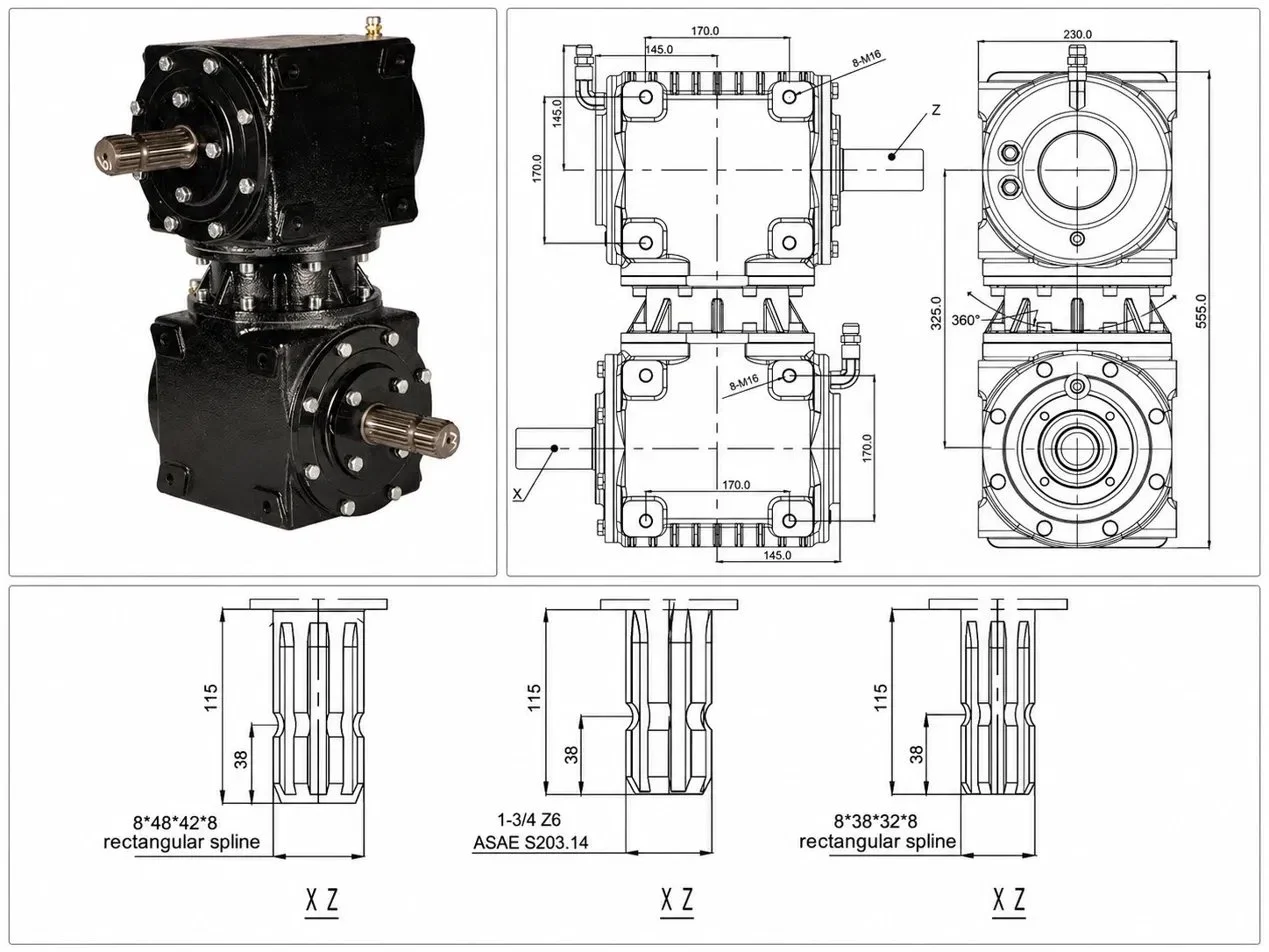
ภาพแสดงการอ้างอิงขนาดและการจัดแนวเพลาอินพุต — การจัดแนวที่ไม่ถูกต้องในจุดนี้ทำให้เกิดการสั่นสะเทือนตลอดระบบส่งกำลัง
สาเหตุหลักที่ 4: การสั่นสะเทือนของตัวบ้านและโครงสร้าง
ลักษณะเสียง: มีเสียงดังคล้ายเสียงหึ่งๆ หรือเสียงหึ่งๆ ที่ดังกว่าปกติเมื่อเทียบกับขนาดของเกียร์ ตัวเรือนสั่นสะเทือนอย่างเห็นได้ชัด และเสียงอาจเปลี่ยนระดับเสียงหากกดที่ตัวเรือนหรือขันน็อตยึดให้แน่น
เกิดอะไรขึ้น: ความถี่การเข้าเกียร์หรือความถี่ฮาร์โมนิกใดฮาร์โมนิกหนึ่งของมันตรงกับความถี่เรโซแนนซ์ตามธรรมชาติของตัวเรือนเกียร์ ตัวเรือนจะขยายพลังงานการสั่นสะเทือนเหมือนระฆัง ทำให้เสียงการเข้าเกียร์ปกติดังขึ้นอย่างมาก ปรากฏการณ์นี้พบได้บ่อยใน:
ตัวเรือนหล่อผนังบาง — เกียร์ราคาประหยัดมักใช้ตัวเรือนที่มีผนังบางกว่าเพื่อประหยัดต้นทุนวัสดุ ผนังที่บางกว่าจะมีคลื่นความถี่ธรรมชาติที่ต่ำกว่า ซึ่งมีแนวโน้มที่จะถูกกระตุ้นโดยการขบกันของเฟืองได้ง่ายกว่า
น็อตยึดหลวม — เกียร์ที่ไม่ได้ติดตั้งอย่างแน่นหนากับโครงเครื่องอาจสั่นสะเทือนด้วยความถี่ที่สูงกว่าปกติหากติดตั้งอย่างถูกต้อง ตรวจสอบแรงบิดของสลักเกลียวยึดเสมอก่อนที่จะสรุปว่ามีปัญหาภายในเกียร์
ตัวเรือนแตก — รอยแตกจะเปลี่ยนความแข็งของตัวเรือน ทำให้ความถี่เรโซแนนซ์เปลี่ยนไป เกียร์ที่จู่ๆ ก็มีเสียงดังขึ้นโดยไม่มีการเปลี่ยนแปลงอื่นใด อาจมีรอยแตกเกิดขึ้น ตรวจสอบบริเวณจุดยึดและรูน็อตอย่างละเอียด
ขั้นตอนการวินิจฉัย: ตรวจสอบให้แน่ใจว่าสลักเกลียวยึดทั้งหมดขันแน่นตามข้อกำหนด หากเสียงยังคงอยู่ ให้ค่อยๆ เปลี่ยนรอบเครื่องยนต์ — หากเสียงดังที่สุดที่รอบเครื่องยนต์ค่าหนึ่ง และเบาลงทั้งด้านบนและด้านล่าง แสดงว่าคุณได้ระบุสภาวะการสั่นพ้องแล้ว
ตารางอ้างอิงการวินิจฉัยอย่างรวดเร็ว
ใช้ข้อมูลอ้างอิงนี้เพื่อระบุสาเหตุหลักได้อย่างรวดเร็ว โดยพิจารณาจากลักษณะของเสียงหรือการสั่นสะเทือน:
| อาการ | ความถี่ | แตกต่างกันไปตาม | สาเหตุที่เป็นไปได้มากที่สุด |
|---|---|---|---|
| เสียงหึ่งแหลมสูง | ความถี่การเข้าเกียร์ | รอบต่อนาที (ความเร็ว) | การสึกหรอของฟันเฟือง ระยะห่างของเฟือง หรือปัญหาเกี่ยวกับน้ำมันหล่อลื่น |
| เสียงคำรามต่ำๆ หรือเสียงคราง | ความถี่เพลา | แรง (แรงบิด) | การแตกร้าวหรือการหลุดลอกของแบริ่ง |
| เสียงดังตุ๊บๆ เป็นจังหวะ | หนึ่งครั้งต่อการหมุนหนึ่งรอบ | รอบต่อนาที | ฟันเฟืองบิ่นหรือระบบส่งกำลังไม่สมดุล |
| การสั่นแบบเป็นจังหวะ | ความเร็วเพลา 1 เท่า หรือ 2 เท่า | รอบต่อนาที | การเยื้องศูนย์ของเพลาหรือการสึกหรอของข้อต่อยู |
| เสียงดังสนั่น / เสียงหึ่งๆ | จุดสูงสุดที่รอบต่อนาทีเฉพาะ | แถบ RPM | การสั่นสะเทือนของตัวเรือน; ตรวจสอบสลักเกลียวยึด |
| การบดบรอดแบนด์ | ไม่มีความถี่ที่ชัดเจน | คงที่ | น้ำมันปนเปื้อนหรือการสึกหรอภายในขั้นรุนแรง |
ป้องกันเสียงรบกวนและการสั่นสะเทือนก่อนที่จะเกิดขึ้น
ที่สุด การแก้ไขปัญหาเสียงและการสั่นสะเทือนของเกียร์ ปัญหาเหล่านี้สามารถป้องกันได้ การปฏิบัติตามวิธีเหล่านี้จะช่วยให้เกียร์ PTO ของคุณทำงานอยู่ภายในขอบเขตที่ออกแบบไว้:
เปลี่ยนถ่ายน้ำมันเครื่องตามระยะเวลาที่กำหนด — น้ำมันเกียร์ EP 80W-90 เปลี่ยนทุก 75–100 ชั่วโมง ขึ้นอยู่กับความหนักหน่วงของการใช้งาน น้ำมันเป็นเกราะป้องกันหลักจากการสึกหรอของพื้นผิวเกียร์และความเสียหายของแบริ่ง
บำรุงรักษาชุดขับเคลื่อน PTO ให้อยู่ในสภาพดี — ควรเปลี่ยนข้อต่อยูและข้อต่อเลื่อนก่อนที่จะเกิดการหลวม การสั่นสะเทือนของระบบส่งกำลังเป็นสาเหตุภายนอกอันดับหนึ่งที่ทำให้ตลับลูกปืนเกียร์เสียหายก่อนกำหนด
ตรวจสอบสลักเกลียวยึดเป็นระยะ — การสั่นสะเทือนทำให้ชิ้นส่วนยึดหลวมลงเมื่อเวลาผ่านไป การยึดที่ไม่แน่นจะเปลี่ยนแปลงพฤติกรรมไดนามิกของเกียร์และเร่งการสึกหรอของตัวเรือน
กำหนดค่าพื้นฐานของเสียงรบกวน — ครั้งแรกที่คุณใช้งานเกียร์ใหม่ ให้ฟังอย่างระมัดระวังและจดบันทึกเสียงการทำงานปกติที่ความเร็วต่างๆ หากพบว่ามีเสียงผิดปกติไปจากปกติในครั้งต่อๆ ไป นั่นคือสัญญาณเตือนล่วงหน้าของคุณ

เมื่อเสียงดังบ่งบอกว่าการเปลี่ยนชิ้นส่วนคือการตัดสินใจที่ถูกต้อง
ปัญหาเสียงดังทุกอย่างไม่ได้แก้ได้ด้วยการเปลี่ยนถ่ายน้ำมันเครื่อง การตั้งศูนย์ล้อ หรือการเปลี่ยนชิ้นส่วนเสมอไป หากรถของคุณ... เกียร์ PTO หากพบสัญญาณใดๆ เหล่านี้ การเปลี่ยนชิ้นส่วนจะคุ้มค่ากว่าการซ่อมแซม: เสียงโลหะเสียดสีกันที่ดังต่อเนื่องไม่ว่าจะอยู่ในสภาวะการทำงานใดก็ตาม เศษฟันเฟืองที่มองเห็นได้ในน้ำมันที่ถ่ายออกมา รอยแตกร้าวของตัวเรือนบริเวณจุดยึดหรือรอยต่อ หรือรอยติดขัดของแบริ่งบนเพลาอินพุตหรือเอาต์พุต สภาวะเหล่านี้บ่งชี้ถึงความเสียหายภายในที่ลุกลาม ซึ่งการซ่อมแซมชิ้นส่วนหนึ่งไม่สามารถแก้ไขความเสียหายรองที่เกิดขึ้นกับชิ้นส่วนที่อยู่ติดกันได้
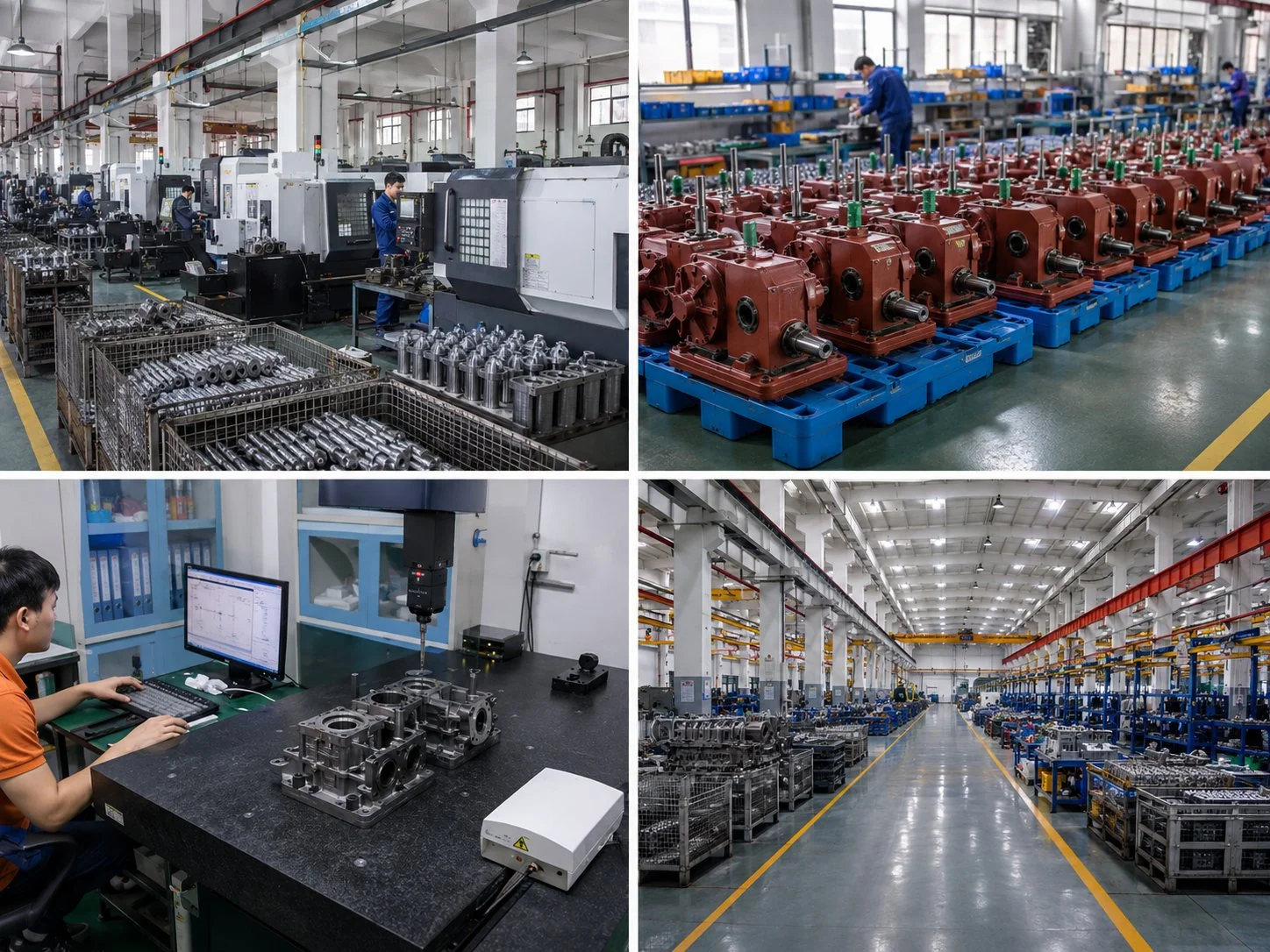
เมื่อจำเป็นต้องเปลี่ยนชิ้นส่วน ผู้ผลิตที่มีคุณภาพอย่างเช่น เกียร์บ็อกซ์ PTO ของ Ever-Power เราทดสอบทุกชิ้นส่วนภายใต้การใช้งานจริงก่อนจัดส่ง เพื่อยืนยันว่าระดับเสียง การสั่นสะเทือน การเพิ่มขึ้นของอุณหภูมิ และความสมบูรณ์ของซีลเป็นไปตามข้อกำหนด ซึ่งหมายความว่าชิ้นส่วนทดแทนของคุณจะมาถึงพร้อมติดตั้งได้ทันที โดยมีระดับเสียงพื้นฐานที่ได้รับการตรวจสอบแล้วจากโรงงาน
คำถามที่พบบ่อย
ต้องการความช่วยเหลือในการวินิจฉัยปัญหาเกียร์รถยนต์ของคุณหรือไม่?
วิศวกรของเราทำการวินิจฉัยปัญหาเสียงและแรงสั่นสะเทือนทุกวัน ไม่ว่าคุณจะต้องการอะไรก็ตาม เกียร์ทดแทน หรือหากคุณต้องการระบุสาเหตุที่แท้จริงก่อนสั่งซื้อ เรามีบริการให้คำปรึกษาด้านเทคนิคจากผู้เชี่ยวชาญที่มีประสบการณ์มากกว่า 20 ปี เกียร์สำหรับงานเกษตรกรรม การผลิต.
บรรณาธิการ: Cxm