Как работает редуктор кормосмесителя — и почему он уникален
А редуктор для кормосмесителей Преобразует скорость вращения ВОМ трактора в чрезвычайно низкие обороты и чрезвычайно высокий крутящий момент, необходимые для вращения одного или нескольких больших шнековых винтов через емкость, заполненную плотным кормовым материалом. В то время как редуктор ВОМ роторного измельчителя может снижать скорость вращения с 540 об/мин до 350 об/мин (передаточное отношение 1,5:1), а редуктор пресс-подборщика — до 40 об/мин (передаточное отношение 13:1), редуктор кормосмесителя обычно обеспечивает от 15 до 30 об/мин на шнеке, что требует суммарного передаточного отношения от 18:1 до 36:1 или более.
Такие экстремальные передаточные числа невозможно получить с помощью одного редуктора в компактном корпусе. Поэтому в редукторах кормосмесителей используется многоступенчатое понижение передаточного отношения — часто сочетающее коническую входную ступень под прямым углом с одной или несколькими планетарными редукторными ступенями, которые увеличивают крутящий момент до уровней, значительно превосходящих почти все другие сельскохозяйственные применения с ВОМ. Трактор мощностью 100 л.с. с ВОМ, развивающий 540 об/мин и приблизительно 975 фунто-футов входного крутящего момента, работающий через редуктор с передаточным отношением 25:1 и КПД 95%, производит примерно 23 000 фунто-футов выходного крутящего момента при 21,6 об/мин. Это инженерная реальность внутри корпуса редуктора большого кормосмесителя.
Последствия отказа редуктора в кормосмесителе немедленны и серьезны. В молочном стаде, не получающем полнорационный кормовой рацион, производство молока падает в течение 24 часов. На откормочной площадке для крупного рогатого скота, неспособной обеспечить суточный рацион, возникают как производственные потери, так и проблемы с благополучием животных. Надежность редуктора кормосмесителя – это не просто вопрос оборудования, это важнейший аспект управления животноводством.

Планетарные редукторы: зачем они нужны смесителям кормов?
Планетарные (эпициклические) зубчатые передачи являются определяющей механической особенностью редукторов кормосмесителей. Планетарный зубчатый механизм состоит из центральной солнечной шестерни, наружной кольцевой шестерни (кольца) и трех или четырех планетарных шестерен, установленных на водиле, вращающемся между солнечной и кольцевой шестернями. Такая конструкция обеспечивает ряд важных преимуществ по сравнению с простыми прямозубыми или коническими зубчатыми передачами для применения в кормосмесителях:
1
Экстремальная плотность крутящего момента
Нагрузка распределяется одновременно несколькими планетарными передачами — как правило, тремя или четырьмя, каждая из которых несет примерно одну треть или одну четверть общего крутящего момента. Это означает, что планетарный редуктор может передавать в 3–4 раза больший крутящий момент, чем редуктор с параллельными валами того же диаметра. Для кормосмесителей это позволяет редуктору поместиться в ограниченном пространстве под смесительной емкостью, при этом выдерживая выходной крутящий момент более 20 000 фут-фунтов.
2
Высокое передаточное отношение в компактных ступенях
Один планетарный редуктор обеспечивает передаточные отношения от 3:1 до 10:1 в зависимости от количества зубьев солнечной и кольцевой шестерен. Два редуктора, соединенных последовательно, обеспечивают передаточные отношения от 9:1 до 100:1. Двухступенчатый планетарный редуктор в сочетании с конической входной ступенью легко достигает общего передаточного отношения от 18:1 до 36:1, необходимого для смешивания кормов, — при этом его корпус достаточно мал, чтобы установить его вертикально под полом смесительной емкости.
3
Коаксиальный вход/выход
Выходной вал (планетарный носитель или зубчатое колесо, в зависимости от конфигурации) концентричен входному. Это позволяет шнековому валу соединяться непосредственно под редуктором без смещенных адаптеров или соединительных валов, что упрощает конструктивное соединение между редуктором и шнеком и исключает компоненты, чувствительные к соосности.
4
Сбалансированные радиальные нагрузки
Поскольку несколько планетарных шестерен симметрично расположены относительно оси вращения, радиальные нагрузки на подшипники, возникающие от сил зацепления шестерен, взаимно компенсируются. Это значительно снижает напряжение в подшипниках по сравнению с двухступенчатой системой с параллельными валами, где вся сила разделения сосредоточена на одном комплекте подшипников. В условиях непрерывной работы, например, при смешивании кормов, такая сбалансированная нагрузка значительно увеличивает срок службы подшипников.
Конфигурации с одним или двумя шнеками и особенности редуктора
Кормосмесители выпускаются в двух основных конфигурациях, и требования к редуктору существенно различаются в зависимости от типа смесителя:
1️⃣
Одношнековый (вертикальный смеситель)
Внутри круглой или конической емкости вращается один большой вертикальный шнек. Подача материала осуществляется через центр и поднимается вдоль стенок емкости. На каждый шнек устанавливается один редуктор, расположенный на дне емкости. Редуктор передает всю нагрузку на один выходной вал смесителя. Таких редукторов обычно используют в смесителях объемом до 500 кубических футов (небольшие и средние молочные фермы).
2️⃣
Двухшнековый смеситель (двухвинтовой)
Два вращающихся в противоположных направлениях вертикальных шнека распределяют нагрузку при смешивании. Каждый шнек имеет собственный редуктор, приводимый в движение общим входным валом от ВОМ через распределительный редуктор с поперечным валом. Общий крутящий момент распределяется между двумя редукторами, но оба должны быть синхронизированы, чтобы предотвратить работу шнеков друг против друга. Типично для крупных промышленных смесителей объемом 500–1200+ кубических футов.
В конструкциях с двумя шнеками механизм синхронизации имеет решающее значение — если один шнек вращается немного быстрее другого, кормовой материал смещается в одну сторону емкости, что приводит к неравномерному перемешиванию и асимметричным структурным нагрузкам на шасси смесителя. Высокоточная зубчатая передача (качество AGMA 10+) в распределительном редукторе обеспечивает одинаковый крутящий момент и одинаковую скорость вращения обоих шнеков. Более дешевые редукторы с более свободными допусками допускают достаточно большие колебания скорости между сторонами, что ухудшает однородность рациона — проблема, которая становится незаметной до тех пор, пока данные о молочной продуктивности или коэффициенты конверсии корма не выявят это несоответствие.
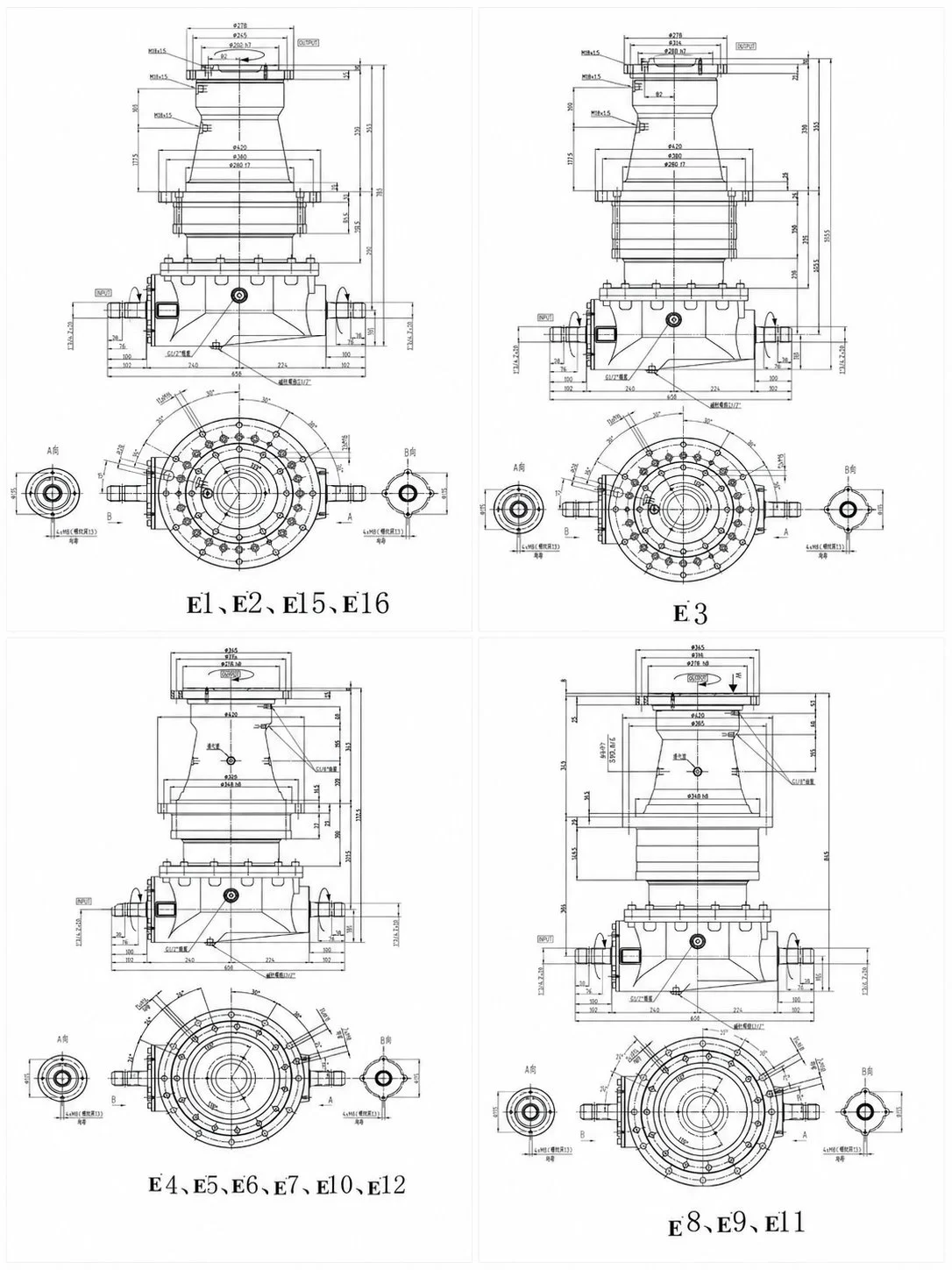
Габаритные размеры редуктора кормосмесителя — вертикальная конфигурация монтажа с входным валом и выходным фланцем для прямого соединения со шнеком.
Расчет грузоподъемности редуктора на основе плотности сырья и объема бункера.
Расчет размеров редуктора кормосмесителя начинается с массы материала, которую должен перемещать шнек. Плотность корма TMR значительно варьируется в зависимости от ингредиентов:
| Компонент корма | Насыпная плотность (кг/м³) | Сложность смешивания | Коэффициент крутящего момента |
|---|---|---|---|
| Сухое сено (рубленое) | 60–120 | Низкий | 1,0× (исходный уровень) |
| Кукурузный силос | 250–350 | Умеренный | 1,5× |
| Влажные дистилляционные зерна | 400–550 | Высокий | 2.0× |
| Зерно / концентрат | 600–800 | Умеренный | 1,8× |
| Полноценная смесь TMR (типичная) | 300–500 | Высокий | 2,0–2,5× |
Размеры редуктора должны соответствовать максимальному уровню загрузки, а не среднему. Смеситель объемом 600 кубических футов, загруженный влажными зерновыми отходами и силосом, может весить 8000–12000 кг в полностью загруженном состоянии — и шнек должен вращать всю эту массу, одновременно перемалывая длинноволокнистое сено для достижения однородной смеси. Крутящий момент, необходимый для начала вращения из состояния покоя (пусковой момент), в 1,5–2,5 раза выше, чем крутящий момент, необходимый для поддержания вращения после начала движения материала.
⚠️ Проблема с пусковым моментом
Наиболее опасный момент для редуктора кормосмесителя — первый оборот после загрузки. Материал осел и уплотнился во время загрузки, и шнек должен выбить его из состояния полной остановки. Если оператор сначала загрузил тяжелые ингредиенты (зерно, а затем силос сверху), уплотненный нижний слой создает скачок пускового момента, который может превышать в 3 раза крутящий момент в установившемся режиме. Качественные редукторы рассчитаны на такие условия запуска. Бюджетные редукторы, рассчитанные только на крутящий момент, выходят из строя во время первого холодного запуска при полной загрузке — обычно из-за среза вала солнечной шестерни или поломки зуба планетарной шестерни у основания.
Терморегулирование для непрерывного смешивания кормов
Кормосмесители работают в непрерывном режиме, что отличает их от практически всех других устройств, использующих привод от вала отбора мощности. На молочной ферме смеситель работает 4–8 часов в день, ежедневно, круглый год. На коммерческом откормочном комплексе может быть несколько циклов смешивания в день, что в сумме составляет 6–12 часов работы. Редуктор должен непрерывно отводить тепло в течение этих длительных периодов работы, не превышая температурных пределов трансмиссионного масла или смазки подшипников.
В планетарном редукторе тепловыделение происходит из трех источников: трение зацепления зубьев (контакт зубьев под экстремальным давлением), трение качения подшипников (планетарные подшипники несут огромные нагрузки на низких скоростях) и перемешивание масла (менее значимо в редукторах кормосмесителей, поскольку выходные скорости очень низкие — обычно менее 30 об/мин). Доминирующим источником тепла является трение зацепления зубьев, особенно в планетарных ступенях с высоким крутящим моментом, где контактное давление между зубьями планетарной шестерни и кольцевой шестерней достигает значений, приближающихся к пределу текучести материала.
Поскольку редукторы кормосмесителей устанавливаются вертикально под смесительной емкостью, естественная конвекция ограничена — тепло не может легко выходить из корпуса, окруженного рамой смесителя. Производители качественной продукции решают эту проблему за счет большой толщины стенок корпуса (которые действуют как радиатор), обработанных внешних охлаждающих ребер, увеличивающих площадь поверхности для конвекции, а в некоторых случаях предусматривают установку внешнего циркуляционного насоса для масла, который перекачивает горячее масло через воздушно-масляный охладитель, установленный там, где есть возможность циркуляции воздуха.
Для молочных предприятий в теплом климате, работающих в длительных циклах смешивания, синтетическое трансмиссионное масло (на основе полиальфаолефинов, EP 80W-90) обеспечивает ощутимое снижение температуры по сравнению с минеральным маслом — обычно на 8–15 °C ниже равновесная температура при тех же условиях нагрузки. Эта разница температур напрямую увеличивает срок службы масла, уплотнений и подшипников.

Выбор подшипников для работы в условиях экстремально высоких нагрузок и постоянного крутящего момента.
Подшипниковый узел в редукторе кормосмесителя должен выдерживать самые высокие постоянные нагрузки из всех возможных. сельскохозяйственная коробка передач Применение — и так на протяжении тысяч часов на очень низкой скорости. Этот режим работы на низких скоростях и с высоким крутящим моментом создает особую инженерную проблему: при скоростях вращения ниже 30 об/мин гидродинамическая масляная пленка, которая обычно отделяет элементы качения от поверхности дорожки качения, может не сформироваться полностью. Подшипники работают в режиме граничной смазки, где прямой контакт металла с металлом происходит на микроскопическом уровне.
Для работы в таких условиях редукторы кормосмесителей требуют подшипников с высококачественной обработкой поверхности как роликов, так и дорожек качения, трансмиссионного масла с противозадирными присадками, образующего химическую граничную пленку там, где гидродинамической пленки недостаточно, и подшипников большого размера — увеличенных по сравнению с номинальной статической нагрузкой для обеспечения достаточной площади контакта на уровне микроскопических неровностей. Конические роликовые подшипники универсальны в основном выходном положении, поскольку они одновременно выдерживают как экстремальную радиальную нагрузку от веса шнека, так и осевое усилие от винтового шнека.
Подшипники планетарных передач представляют собой отдельную проблему. Они вращаются быстрее выходного вала (обычно в 3–5 раз быстрее, или 60–150 об/мин), но несут огромные нагрузки, поскольку каждый планетарный подшипник передает от одной трети до одной четверти общего крутящего момента. В этом положении часто используются игольчатые подшипники с полным комплектом подшипников, поскольку они максимизируют количество элементов качения в пределах ограниченного диаметра отверстия планетарного подшипника, увеличивая грузоподъемность без увеличения габаритов узла.
Рекомендации по техническому обслуживанию редукторов кормосмесителей
Непрерывный круглогодичный цикл работы кормосмесителей означает, что интервалы технического обслуживания наступают быстрее по календарному времени, чем по количеству отработанных часов, по сравнению с сезонной техникой. Редуктор кормосмесителя нарабатывает 1500–3000 часов в год — больше, чем большинство сельскохозяйственных орудий за десятилетие.
✅
Ежедневно: Проверяйте уровень масла и его состояние. — Перед первым циклом смешивания каждый день проверяйте уровень масла в смотровом окошке. Обратите внимание на мутность (загрязнение водой из-за промывки под высоким давлением, проникшей через уплотнения) и наличие металлических частиц (износ шестерен или подшипников). Любые отклонения требуют немедленного расследования — стоимость преждевременной замены масла ничтожна по сравнению с поломкой подшипника во время смешивания.
✅
Каждые 250 часов: полная замена масла. — Редукторы кормосмесителей работают при более высоких постоянных нагрузках, чем большинство редукторов, приводимых в движение валом отбора мощности, что приводит к более быстрому износу масла. Полностью слейте масло, осмотрите магнитную сливную пробку на предмет объема и типа частиц (мелкий ил = нормальный износ; стружка или хлопья = ненормально) и залейте свежее масло EP 80W-90 или его синтетический аналог.
✅
Каждые 500 часов: проверка герметичности. — Визуально осмотрите все сальники вала на предмет утечки масла. Вертикальное расположение редукторов смесителя означает, что сила тяжести постоянно воздействует на нижний выходной сальник. Замените любой сальник, на котором обнаружена влага, прежде чем загрязненная питательная вода попадет в корпус.
✅
Ежегодно: Оценка состояния подшипников — При пустом смесителе и отключенном вале отбора мощности проверните выходное отверстие вручную. Любая ощутимая шероховатость, заедание или сопротивление указывают на износ подшипника. Запланируйте замену до того, как подшипник выйдет из строя — вышедший из строя планетарный подшипник в планетарном редукторе загрязняет всю зубчатую передачу мусором.
✅
Контроль состояния приводного вала ВОМ. — Изношенный Вал отбора мощности Из-за люфта карданных шарниров циклические ударные нагрузки передаются на входной подшипник редуктора. В условиях непрерывной работы, например, при смешивании кормов, эти повреждения быстро накапливаются. Замените карданные шарниры при первых признаках люфта.
Устранение неполадок в редукторе кормосмесителя
⚠️
Шнек не включается при запуске под полной нагрузкой. — Трактор глохнет или срабатывает муфта отвода вала отбора мощности до того, как шнек начнет вращаться. Это указывает на то, что пусковой момент превышает возможности редуктора или трактора. Возможно, неправильная последовательность загрузки — сначала загружайте более легкие ингредиенты, затем более тяжелые. Если проблема сохраняется при правильной последовательности загрузки, возможно, редуктор недостаточно мощный для объема бункера и плотности корма.
⚠️
Аномальный шум во время смешивания — Появление новых скрежещущих, щелкающих или воющих звуков во время перемешивания указывает на развитие внутренних повреждений. Остановите миксер и немедленно слейте пробу масла. Наличие металлических частиц подтверждает внутренний износ; скрежещущий звук в чистом масле может указывать на начало разрушения подшипника. Не продолжайте работу — в случае катастрофической поломки загруженного миксера необходимо опорожнить бак, прежде чем получить доступ к редуктору.
⚠️
Перегрев коробки передач (корпус слишком горячий на ощупь). — Проверьте уровень и тип масла. Убедитесь, что бак не перегружен. Проверьте, что вентиляционное отверстие чистое (повышение давления увеличивает рабочую температуру). Если редуктор правильно заполнен маслом, не перегружен, но все равно перегревается, возможно, агрегату не хватает тепловой мощности для данного режима работы — рассмотрите возможность замены корпуса на более крупный или перехода на синтетическое трансмиссионное масло.
⚠️
Утечка масла через выходное (нижнее) уплотнение — Вертикальная установка означает, что вся высота масляного столба давит на выходное уплотнение. В сочетании с экстремальным крутящим моментом, скручивающим выходной вал, износ уплотнения является наиболее распространенной причиной поломки редукторов миксеров. Замените уплотнение; также осмотрите поверхность вала на наличие царапин или следов износа, которые препятствуют правильной установке нового уплотнения.
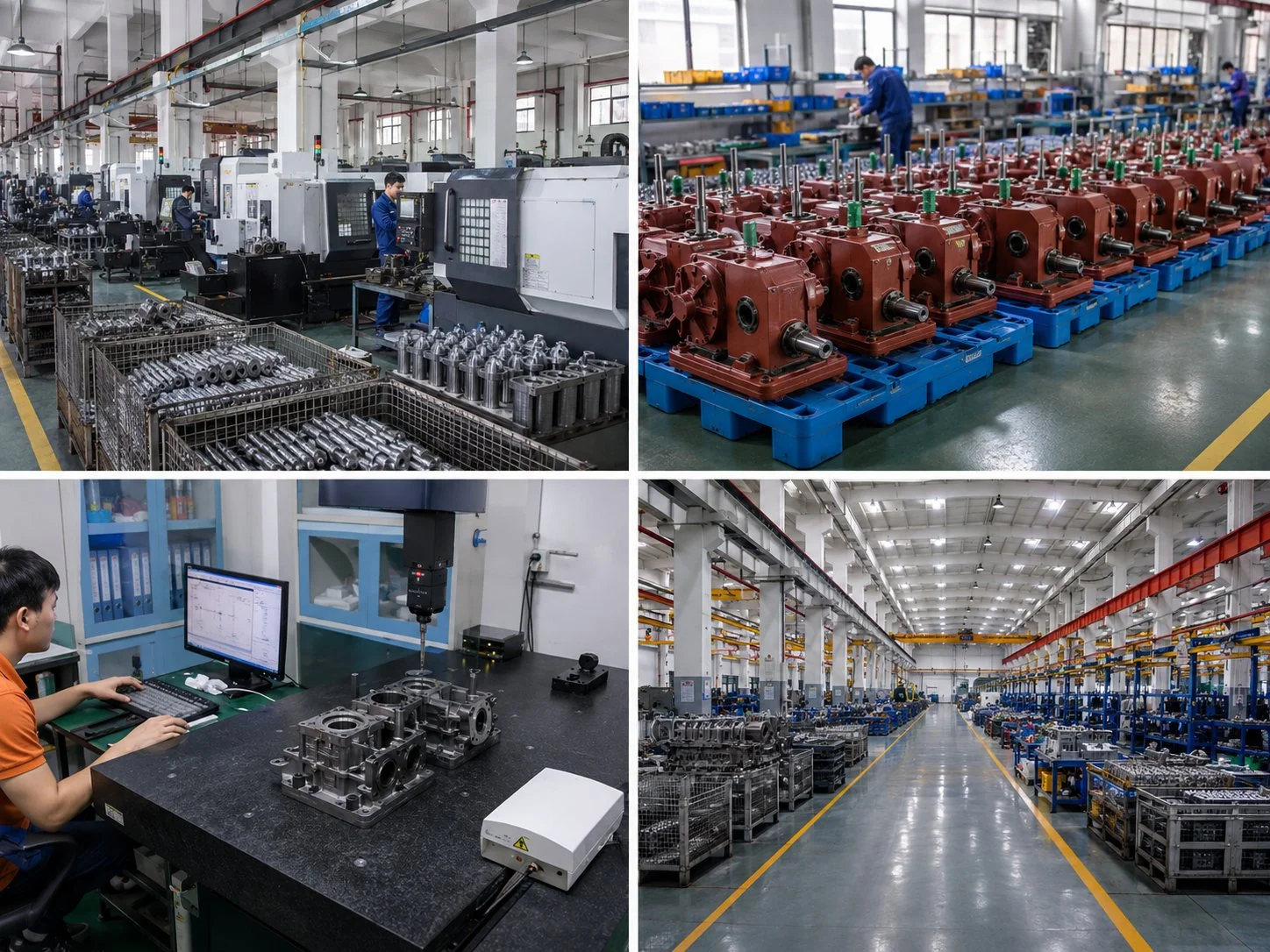
Поиск и замена редуктора кормосмесителя
Замена редуктора кормосмесителя — это работа, где недопустим самый дешевый вариант. Непрерывный рабочий цикл, экстремальные крутящие нагрузки и прямое влияние на животноводство делают качество важнейшим критерием выбора. При оценке замены необходимо подтвердить: материал шестерни планетарной передачи (должна быть цементированная легированная сталь, а не закаленная углеродистая сталь), тип и марку подшипников планетарной передачи (только указанные производители — SKF, NSK, NTN, Timken или аналогичные), материал выходного уплотнения (минимум FKM для вертикальной установки и условий высокого перепада давления), а также наличие у производителя испытаний на нагрузку 100%, включающих моделирование пускового крутящего момента.
Поскольку редукторы кормосмесителей являются специфическими для конкретного применения, наиболее надежным методом поиска редукторов ВОМ является сопоставление номеров оригинальных запчастей. Если вам требуется замена для конкретной марки и модели кормосмесителя, свяжитесь с нашей инженерной командой С указанием номера детали производителя, марки смесителя, объема емкости и количества шнеков. Перед отгрузкой мы проверяем совместимость размеров, крутящий момент и температурный режим — потому что отказ редуктора ВОМ кормосмесителя — это чрезвычайная ситуация в животноводстве, а не просто неудобство для оборудования.
Часто задаваемые вопросы
Защитите свою систему подачи кормов с помощью подходящего редуктора.
Вечная Сила производит планетарные сельскохозяйственная коробка передач Решения для кормосмесителей — рассчитаны на пусковой крутящий момент, проверены на непрерывную работу в условиях высоких температур и совместимы со всеми основными марками кормосмесителей TMR.
Редактор: Cxm