The Scale of PTO Entanglement Injuries
PTO-related injuries account for a significant proportion of serious farm machinery incidents across every agricultural region. In the United States, the National Institute for Occupational Safety and Health (NIOSH) and the National Agricultural Safety Database report that PTO entanglements cause dozens of fatalities and hundreds of severe injuries annually. The European Agricultural Machinery Association records similar per-capita rates across EU member states. In Australia, Safe Work Australia classifies PTO entanglement as one of the top five machinery-related causes of workplace death in the agricultural sector.
The physics of PTO entanglement explains why injuries are so severe. A 540 RPM driveline rotates 9 times per second. At first contact — whether loose clothing, a drawstring, a glove, or hair catches on a protruding bolt, universal joint, or unguarded shaft — the victim is wrapped around the shaft before they can react. Human reaction time is approximately 0.2 to 0.3 seconds. In that time, the shaft has completed 1.8 to 2.7 full rotations, wrapping the victim tightly around the driveline. At 1,000 RPM — the speed used by many modern tractors — the shaft completes 3 to 5 rotations in the same reaction window. No amount of strength or agility can overcome the torque of a PTO shaft powered by even a small tractor engine.
Never step over a rotating PTO shaft — even if guarded. Loose boot laces, trouser cuffs, or dangling straps can be caught by any protruding component. Walk around the equipment, never over or under the driveline.
Irrota voimanottoakseli ennen irrottamista — the most dangerous moment is when the operator leaves the tractor seat to adjust the implement while the PTO is still engaged. Switch off the PTO, wait for the driveline to stop completely, and set the parking brake before approaching the implement.
Never operate with a missing or damaged guard — a PTO shaft guard that has been removed for convenience or one that is cracked, jammed, and no longer rotates freely with the shaft, provides zero protection. Replace damaged guards immediately; never operate without them.
Wear close-fitting clothing — loose sleeves, scarves, drawstrings, necklaces, and untied long hair are the most common entanglement initiation points. When working near PTO equipment, wear close-fitting clothing with no loose ends and tie long hair securely.
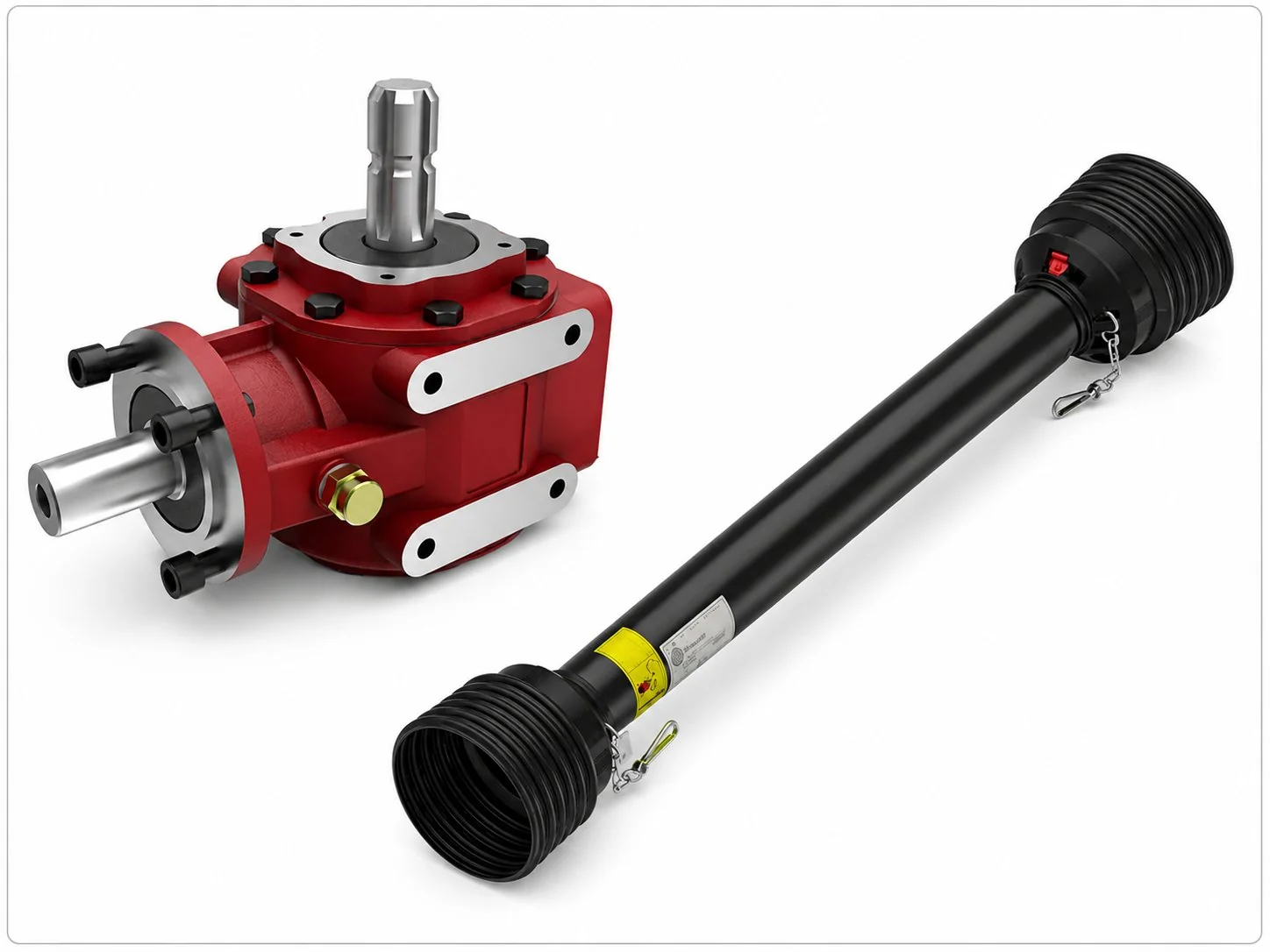
PTO Shaft Guard Types: Integral, Telescoping, and Shield Designs
PTO shaft guards are physical barriers that prevent human contact with the rotating driveline. All modern Voimanottoakseli assemblies are supplied with guards, and regulatory requirements in the EU, Australia, and North America mandate that guards be in place during operation. Three principal guard designs exist, each suited to different driveline configurations and implement types.
Integral guards are one-piece plastic or composite tubes that enclose the entire PTO shaft and are anchored to the tractor drawbar or implement frame by restraint chains. When the inner shaft rotates, the guard tube remains stationary (held by its chains), creating a complete physical barrier between the rotating shaft and anyone near the driveline. The guard must be free to rotate on the shaft — if the chains break and the guard spins with the shaft, it loses all protective function and can itself become an entanglement hazard. Regular inspection of guard chains and bearing surfaces is essential.
Telescoping guards cover drivelines that change length during operation — common on implements with floating drawbar connections, three-point-hitch equipment that pivots vertically, and trailed equipment that tracks laterally behind the tractor on curves. These guards consist of two overlapping halves that slide in and out as the driveline extends and compresses, maintaining full coverage across the operating range. The overlap must remain positive (the two halves must always overlap by at least 50 mm) at maximum extension — if the driveline extends beyond the guard’s range, an unguarded section of rotating shaft is exposed.
PTO stub and implement input shaft (ICS) shields are fixed guards that cover the connection points at each end of the driveline — the tractor PTO stub and the implement gearbox input shaft. These shields are typically funnel or cone shaped and are bolted to the tractor drawbar and the implement frame respectively. They prevent contact with the universal joints and yokes at each end of the driveline, which are the most dangerous entanglement points because of their protruding bolts and irregular shape. For a comprehensive understanding of PTO speed and power standards, see our resource on ISO 500 PTO standards and their role in safe equipment specification.
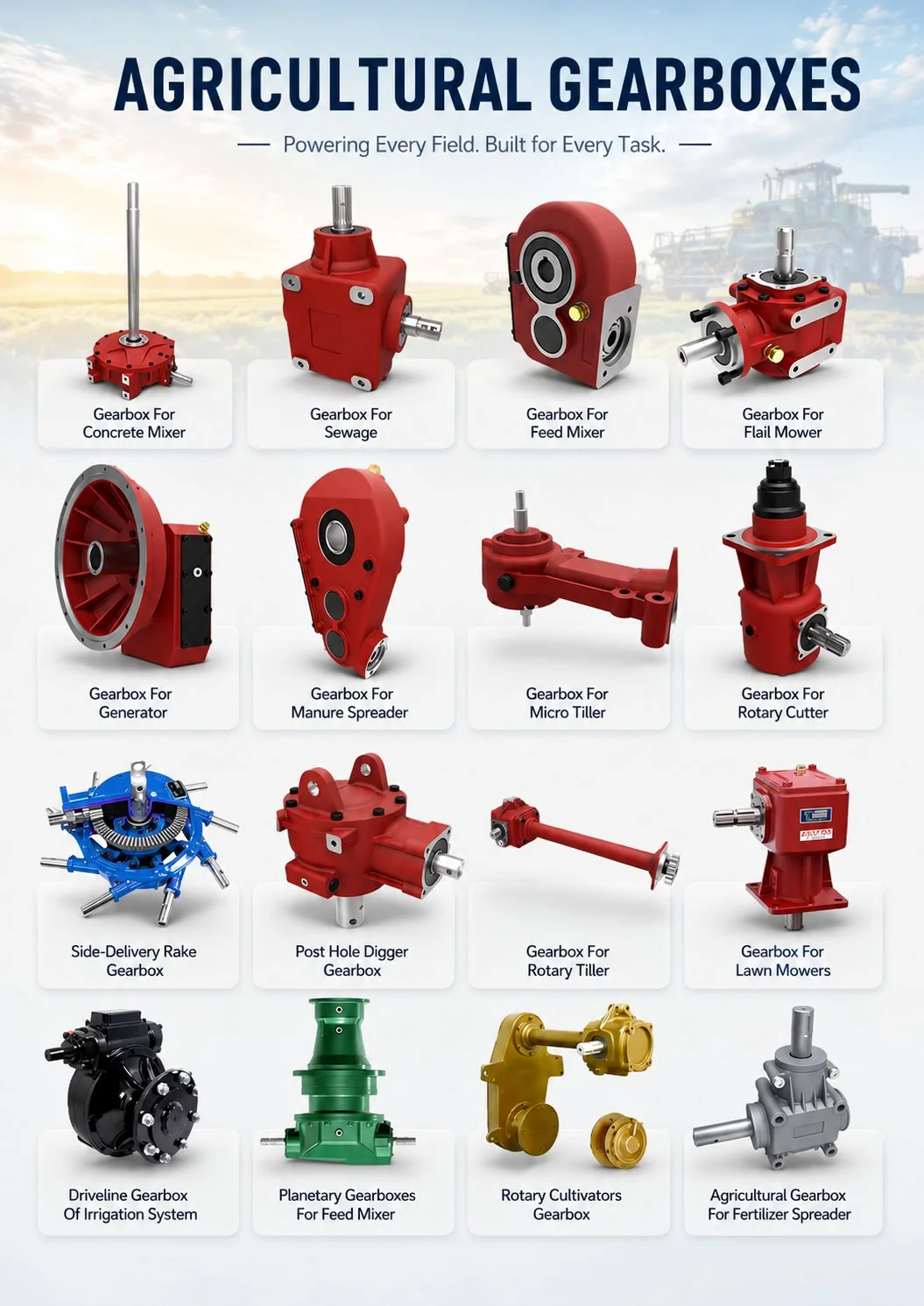
Overload Protection: Shear Bolt vs. Slip Clutch
Overload protection on a PTO driveline serves two safety functions: protecting the Voimanottovaihteisto and implement from mechanical damage when an unexpected resistance is encountered (a rock strike, a frozen windrow, a blockage), and protecting the tractor’s PTO output shaft and transmission from the shock loads generated by sudden implement stops. Two overload protection mechanisms are standard: shear bolts and slip clutches.
A shear bolt (or shear pin) is a sacrificial fastener installed in the driveline yoke or coupling that is designed to break cleanly at a predetermined torque — typically 1.5 to 2.0 times the normal operating torque. When the bolt shears, the driveline disconnects and the rotating components coast to a stop. The operator must then stop the tractor, identify and clear the obstruction, replace the shear bolt, and restart. Shear bolt protection is definitive — it provides a hard torque limit that absolutely cannot be exceeded — but it requires manual intervention and spare bolts each time it activates.
A slip clutch uses spring-loaded friction discs that transmit torque up to a calibrated threshold. When the threshold is exceeded, the discs slip rather than transmitting the overload torque, allowing the input side of the driveline to continue rotating while the output side (and the implement gearbox) slows or stops. When the overload clears, the clutch automatically re-engages and normal operation resumes without operator intervention. Slip clutch protection is more convenient for applications with frequent minor overloads (rotary cutters in brush, flail mowers in mixed material) but must be correctly adjusted — a clutch set too loose slips during normal operation and overheats, while a clutch set too tight does not activate before gear damage occurs.
🔧 Overload Protection Selection Guide
Käyttää shear bolts when: the implement rarely encounters overloads, definitive torque limiting is required (high-value gearbox or tractor PTO), or the consequence of even momentary overload transmission is severe. Use slip clutches when: minor overloads are frequent (brush cutting, mixed-material processing), continuous operation without stopping for bolt replacement is important, or the maatalouden vaihdelaatikko can tolerate brief torque spikes above normal operating level.
Driveline Length and Angle Limits
PTO driveline geometry — the length, operating angle, and angular velocity uniformity — directly affects both safety and gearbox longevity. A driveline that is too long, too short, or operating at excessive angle creates conditions that accelerate wear, generate vibration, and can cause mechanical failure that suddenly releases stored rotational energy.
Verify Operating Angle
The angle between the tractor PTO stub and the implement input shaft should not exceed 7 degrees during normal operation and never exceed 15 degrees even at maximum articulation (tight turns). Excessive angle causes cyclic speed variation (Hooke joint effect) that generates vibration, accelerates U-joint wear, and creates pulsating torque loads on the gearbox input bearings.
Check Telescoping Overlap
At maximum extension (tightest turn or greatest drawbar-to-implement distance), the telescoping halves of the driveline must overlap by at least one-third of their total travel. Insufficient overlap risks shaft separation under load — a sudden release of stored rotational energy that can eject the disconnected shaft with lethal force.
Ensure Guard Coverage
Verify that the guard telescoping range matches or exceeds the driveline telescoping range. If the driveline extends beyond the guard coverage at maximum articulation, an unguarded rotating shaft section is exposed — creating exactly the entanglement hazard the guard was designed to prevent.
Confirm Correct Driveline Length
A driveline that is too long bottoms out (compresses fully) when the implement is close to the tractor, potentially bending the shaft or jamming the telescoping section. A driveline that is too short pulls apart at maximum extension. Measure the minimum and maximum distances between tractor PTO stub and implement input shaft through the full range of motion, and select a driveline whose telescoping range covers both extremes with margin.
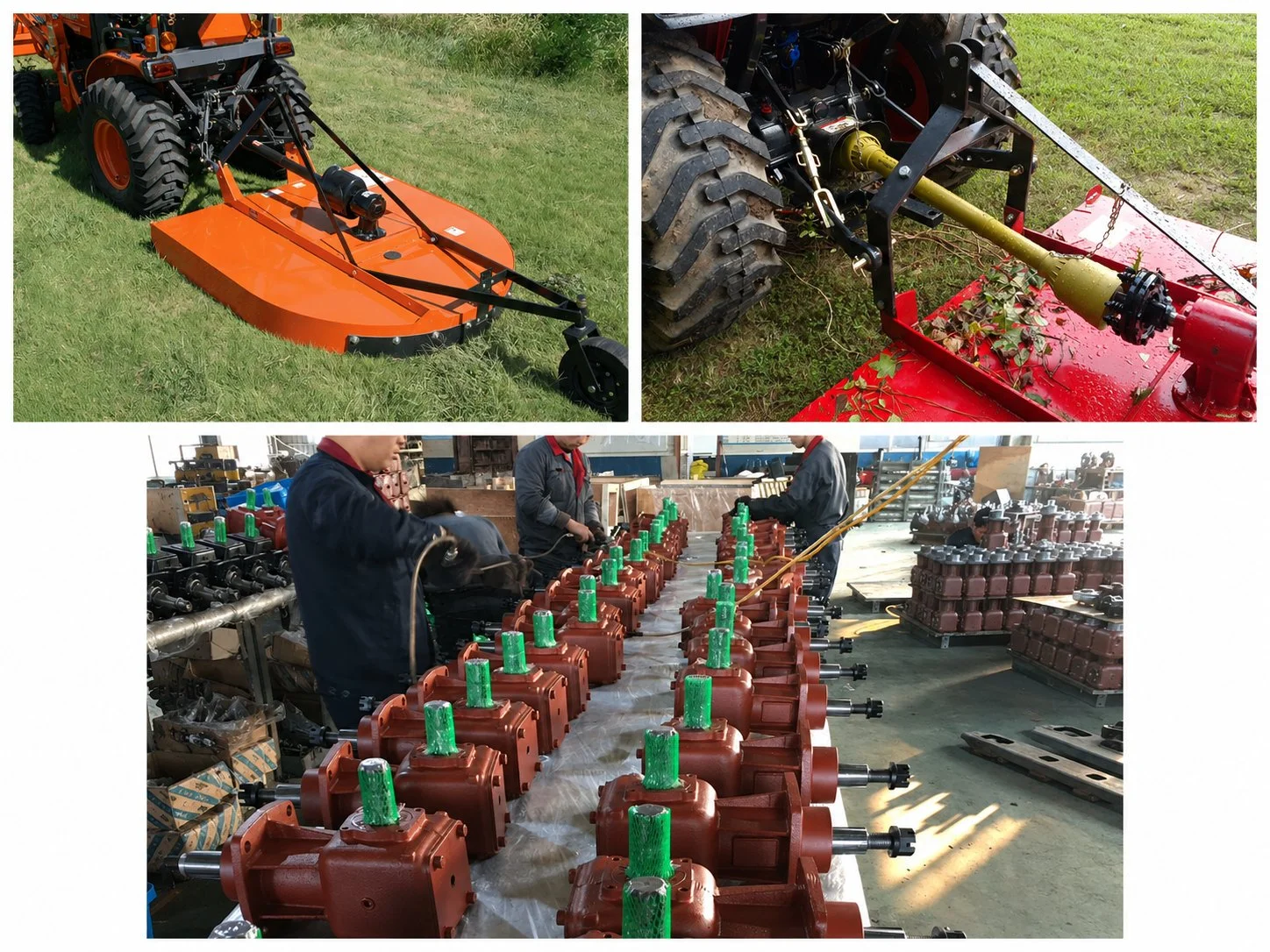
Regulatory Requirements: EU, OSHA, and International Standards
PTO shaft guarding is not optional — it is legally mandated in all major agricultural markets. The EU Machinery Directive (2006/42/EC) and the harmonized standard EN ISO 5674 require all PTO-driven equipment sold in European markets to be supplied with complete driveline guarding including shaft guards, restraint chains, and end shields. Equipment that does not comply cannot carry CE marking and cannot be legally sold or operated in the EU. The directive also places responsibility on the operator to maintain guards in serviceable condition throughout the equipment life.
In the United States, OSHA standards (29 CFR 1928.57) require that all PTO-driven equipment used in agricultural operations must have guarding that prevents employee contact with the rotating driveline. While enforcement on individual farms varies, any farm employing workers is subject to OSHA inspection, and unguarded PTO shafts are a frequently cited violation. Australia harmonized Work Health and Safety regulations impose similar requirements through state-level codes of practice for agricultural machinery.
ISO 500 standardizes the PTO interface dimensions (shaft diameter, spline profile, speed rating) between tractor and implement, ensuring that Voimanottovaihteisto connections are mechanically compatible. ISO 5674 specifically addresses PTO driveline guard requirements — guard dimensions, restraint chain specifications, overlap requirements, and impact resistance testing. Equipment manufactured by responsible suppliers like Ever-Power PTO-vaihteisto is designed to comply with these international standards. For Voimanottoakseli assemblies and maatalouden vaihdelaatikko components, always verify that supplied guards meet the regulatory requirements for your operating jurisdiction.
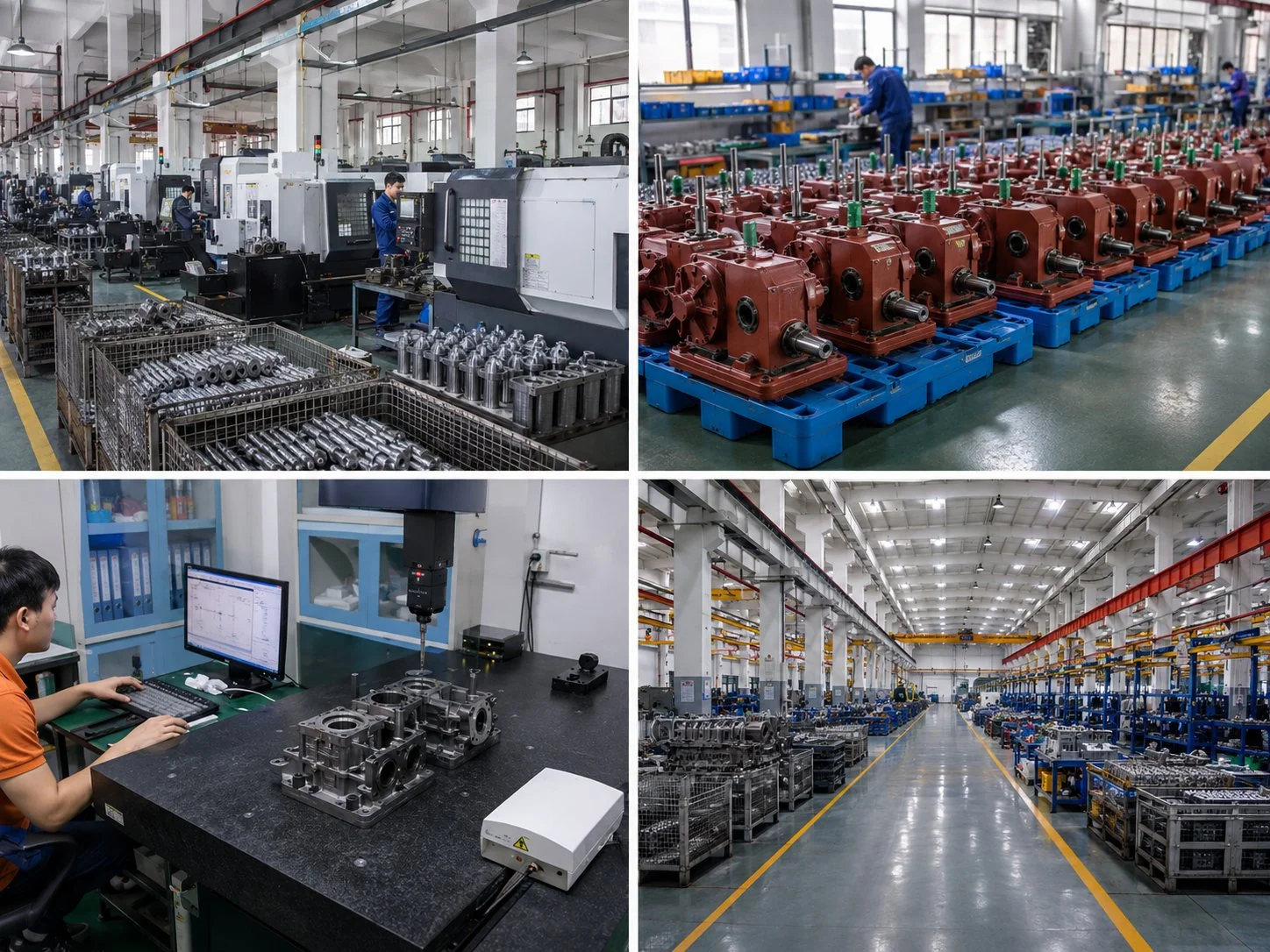
Pre-Season PTO Safety Inspection Checklist
A systematic pre-season inspection of every PTO-driven implement is the most effective administrative control for preventing entanglement injuries. Many farms conduct equipment maintenance annually before the growing season but fail to include a specific PTO safety inspection as a documented step. The following inspection should be completed on every PTO driveline before the first use of each season and repeated at mid-season for high-hour equipment.
Inspect every guard tube for cracks, dents, or deformation that could cause the guard to bind against the rotating shaft. Spin the guard by hand around the shaft — it must rotate freely with minimal resistance. If it binds or drags, the internal bearing surface is worn and the guard must be replaced, not repaired. Check both restraint chains for damage, corrosion, and secure attachment to the guard tube and to the tractor drawbar or implement frame. A missing or broken chain allows the guard to spin with the shaft — converting the guard from a safety device into an additional entanglement hazard.
Examine the PTO stub shield on the tractor and the input connection shaft shield on the implement. Both must be securely bolted in position and free of cracks or missing sections. These end shields protect the universal joints at each end of the driveline — the most dangerous entanglement points because of protruding bolts and the complex geometry that catches clothing instantly. Test the shear bolt or slip clutch overload protection by checking the shear bolt grade and condition (replace corroded or partially cracked bolts) or by verifying the slip clutch adjustment using the torque specification in the implement manual. A Voimanottovaihteisto that receives reliable overload protection through a properly maintained driveline will deliver years of service without the catastrophic gear damage that an unprotected overload event causes in seconds.
Document the inspection with date, inspector name, and findings for each implement. This documentation satisfies regulatory requirements in many jurisdictions and provides evidence of due diligence in the event of an incident investigation. Training every worker who operates or works near PTO-driven equipment is equally important — the best-maintained guard in the world cannot prevent an injury if the operator removes it for convenience or approaches a spinning driveline to make an adjustment.
Usein kysytyt kysymykset
Upgrade Your Agricultural Gearbox Today
Every PTO gearbox and driveline assembly from Ever-Power ships with standards-compliant guarding, correctly rated overload protection, and dimensional verification to ensure safe, reliable operation from the first hour. Protect your operators and your equipment investment with properly engineered PTO power transmission.