Miksi hakkurin vaihdelaatikko kohtaa ainutlaatuisia teknisiä vaatimuksia
A vaihteisto puunhakkureille toimii kuormitusprofiililla, joka on perustavanlaatuisesti erilainen kuin millään muulla maatalous- tai metsätaloustyökalulla. Vaikka ruohonleikkurit, jyrät ja levittimet kokevat suhteellisen ennustettavaa, syklistä kuormitusta, puunhakkuri kohtaa ajoittaisia, voimakkaita iskukuormia, joita erottavat lähes nollakuormituksen jaksot. Vaihteiston on siirryttävä kuormittamattomasta tyhjäkäynnistä maksimivääntömomenttiin sekunnin murto-osassa joka kerta, kun oksa saapuu leikkuumekanismiin – ja sen on tehtävä tämä tuhansia kertoja työpäivän aikana ilman väsymismurtumaa.
Puun luonne materiaalina pahentaa tätä haastetta. Tuoreen lehtipuun (tammi, vaahtera, hikkori) leikkauslujuus on 8–14 MPa syiden suuntaan. Kuivan lehtipuun leikkauslujuus voi olla yli 16 MPa. Kun hakettimen terä osuu 15 cm:n halkaisijaltaan olevaan lehtipuun oksaan, katkaisulaikan hetkellinen vääntömomentin tarve voi olla 5–8 kertaa suurempi kuin pehmeän puun risujen hakettamiseen tarvittava vakiotilavääntömomentti. Jos vaihteisto on mitoitettu vain keskimääräiselle kuormitukselle, se vikaantuu muutaman viikon kuluessa raskaasta käytöstä.
Tässä artikkelissa tarkastellaan konetekniikkaa, joka on taustalla Voimanottovaihteisto puunhakkureissa käytettävät järjestelmät – käsittelevät iskukuormituksen suunnittelua, vauhtipyörän kytkentästrategiaa, ylikuormitussuojaa, vaihteiston materiaalivaatimuksia sekä levy- ja rumpuhakkureiden käyttövaatimusten välisiä kriittisiä eroja.
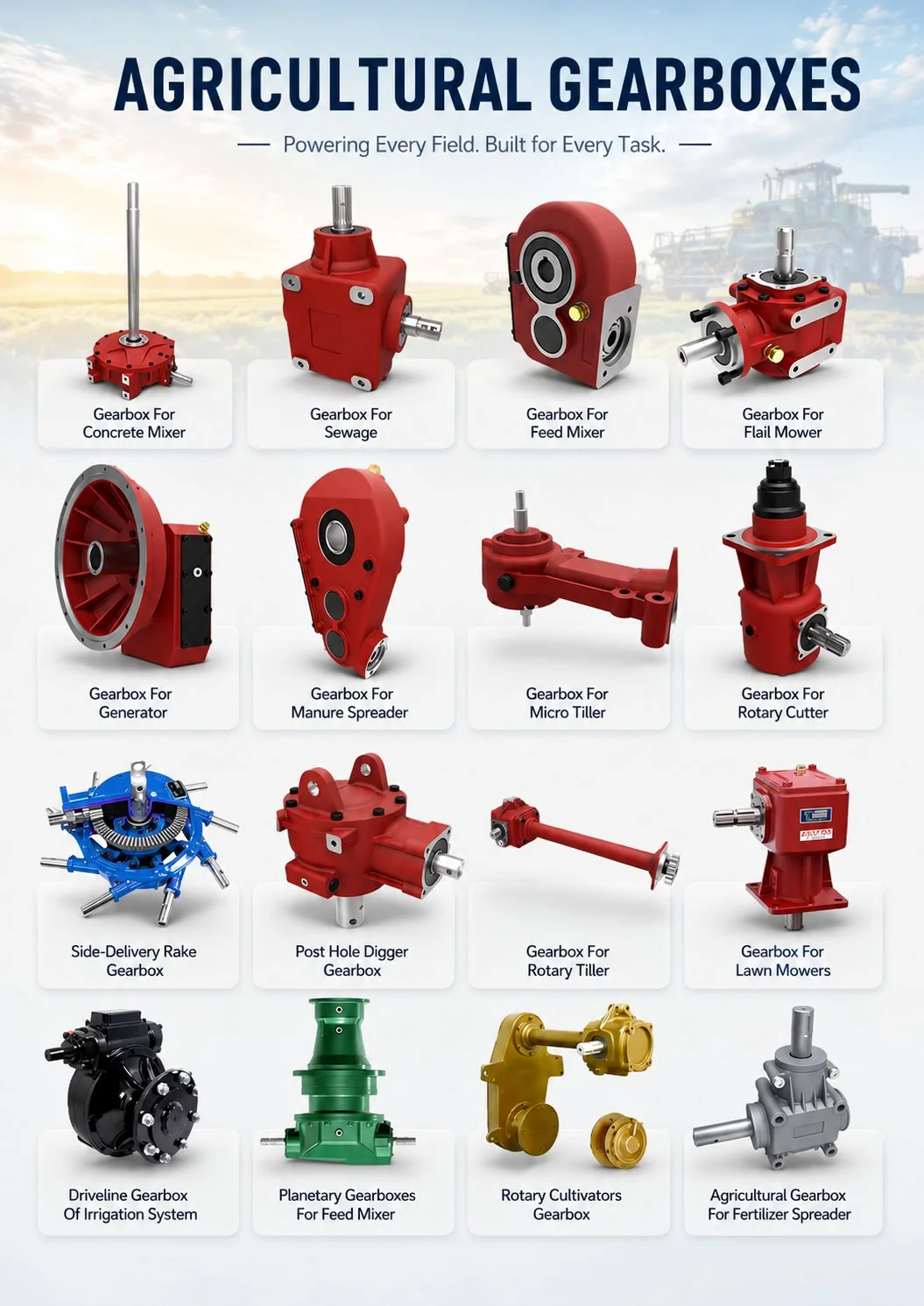
Levyhakkuri vs. rumpuhakkuri: Erilaiset vaihteistovaatimukset
Kaksi vallitsevaa haketintyyppiä – kiekkohakkurit ja rumpuhakkurit – tuottavat perustavanlaatuisesti erilaiset vääntömomenttiprofiilit, jotka vaativat erilaisia vaihteiston spesifikaatioita. Tämän eron ymmärtäminen on olennaista oikean vaihteiston valinnan kannalta.
Levyhakkurit
Painava teräslevy (tyypillisesti 60–90 kg voimanottokäyttöisissä malleissa, jopa 250 kg moottorikäyttöisissä teollisuusyksiköissä) kannattaa 2–4 leikkuuveistä levyllä. Levy pyörii nopeudella 1 000–2 000 rpm ja toimii sekä leikkuumekanismina että vauhtipyörän energian varastona. Levyä vasten syötetty puu silputaan lastuiksi jokaisella terän vedolla.
Vaihteiston vaikutus: Levyllä oleva vauhtipyörä varastoi liike-energiaa, joka tasoittaa vääntömomentin tarvetta. Kun terä osuu puuhun, levy hidastuu hieman, jolloin varastoitua energiaa vapautuu leikkauksen avustamiseksi. Vaihteisto havaitsee hetkellisen nopeuden laskun ja vääntömomentin piikin, mutta vauhtipyörävaikutus pienentää huippu-keskimääräisen vääntömomentin suhteen noin 2–4×.
Rumpusilppurit
Sylinterimäinen rumpu (halkaisija 200–350 mm voimanottoyksiköissä) kantaa useita veitsiä kehällään. Rumpu pyörii nopeudella 1 800–2 400 rpm ja leikkausakseli on yhdensuuntainen syöttöaukon kanssa. Puu syötetään rumpuun tangentiaalisesti, ja jokainen veitsi leikkaa ohuen lastun tukin pinnasta.
Vaihteiston vaikutus: Rummun vauhtipyörän massa on pienempi kuin kiekon. Useat terät iskevät puuhun nopeasti peräkkäin, mikä tuottaa jatkuvamman mutta korkeamman taajuuden vääntömomentin aaltoilun. Vaihteisto havaitsee vähemmän dramaattisia yksittäisiä piikkejä, mutta korkeamman jatkuvan keskimääräisen vääntömomentin. Huippu-keskiarvosuhde on pienempi (1,5–3×), mutta keskimääräinen kuormitus on suurempi ja jatkuvampi.
Kiekkohakkureissa vaihteiston on kestettävä suuria transienttivääntömomenttipiikkejä ja varmistettava riittävä iskulujuus hammaspyörän hampaissa ja laakereissa. Rumpuhakkureissa vaihteiston on kestettävä suuri jatkuva vääntömomentti ja varmistettava erinomainen lämmönhallinta. Valinnan prioriteetti siirtyy huippuiskukapasiteetista (levy) jatkuvaan käyttöikään ja lämmönpoistoon (rumpu).
Vauhtipyörän kytkentä: Energiapuskuri vaihteiston ja leikkuupään välillä
Kiekkohakkureissa katkaisulaikka itse toimii vauhtipyöränä. Mutta monissa rumpuhakkureissa ja joissakin suuremmissa kiekkohakkureissa on erillinen vauhtipyörä asennettuna vaihteiston ulostulon ja leikkausmekanismin väliin. Tämä vauhtipyörä varastoi pyörimiskineettistä energiaa (E = ½Iω², jossa I on hitausmomentti ja ω on kulmanopeus), joka täydentää vaihteiston ulostuloa huippuleikkauskuormien aikana.
Vauhtipyörän tehtävänä on irrottaa hetkellinen leikkauskuorma vaihteiston vääntömomentista. Kun raskas oksa joutuu hakkuriin, vauhtipyörä vapauttaa varastoitua energiaa leikkausnopeuden ylläpitämiseksi, samalla kun vaihteisto – ja lopulta traktorin moottori – lisää vääntömomenttiaan vähitellen vastaamaan uutta kuormitusta. Ilman vauhtipyörää täysi iskuvoima siirtyisi välittömästi vaihteiston kautta ja Voimanottoakseli traktoriin, mikä voi sammuttaa moottorin tai rikkoa voimansiirron osia.
⚙️ Flywheel Sizing Considerations
Painavampi vauhtipyörä varastoi enemmän energiaa ja tarjoaa suuremman puskurin vääntömomenttipiikkejä vastaan, mutta kiihdytys käyttönopeuteen käynnistyksen aikana kestää kauemmin. Liian raskaat vauhtipyörät lisäävät myös vaihteiston lähtölaakerin rasitusta lähtöakselilta tulevan lisäpainon vuoksi. Vauhtipyörän massan on oltava tasapainossa energian varastointikapasiteetin, käynnistysajan ja laakerikuormituksen välillä. Tyypilliset PTO-hakkurin vauhtipyörät painavat 30–120 kg hakkurin kapasiteetista ja suurimmasta sallitusta oksan halkaisijasta riippuen.
Vauhtipyörän ja vaihteiston ulostuloakselin välinen kytkentä on tyypillisesti kartiolukitusholkki tai kiilattu akseli, jossa on lukitusmutteri. Tämän liitoksen on kestettävä kaksisuuntainen vääntömomentti – vauhtipyörä kiihtyy kevyen kuormituksen aikana (vaihteisto käyttää vauhtipyörää nopeammin) ja hidastuu raskaan kuormituksen aikana (vauhtipyörä käyttää leikkuupäätä varastoidun energian avulla). Löysä vauhtipyörän kiinnitys on erittäin vaarallista ja tuhoaa vaihteiston ulostuloakselin kiilauran muutamassa tunnissa.
Murtotappi- ja ylikuormitussuojausjärjestelmät
Vaihteiston kestävyydestä riippumatta aina syntyy tilanteita, joissa kuorma ylittää järjestelmän kapasiteetin – esimerkiksi tukin sisään piilotettu teräspultti, syöttöaukkoon kiilautunut kivi tai koneen nimellishalkaisijaa suurempi oksa. Ylikuormitussuojausjärjestelmät estävät katastrofaaliset (ja kalliit) vaihteiston vauriot tarjoamalla hallitun vikaantumispisteen.
Leikkaustapit (mekaaninen sulake)
Karkaistusta teräksestä valmistettu, tunnetun poikkileikkauksen omaava tappi yhdistää vaihteiston ulostulon vauhtipyörään tai katkaisulaikan napaan. Tappi on suunniteltu katkeamaan tietyllä vääntömomenttikynnyksellä – tyypillisesti 150–200% vaihteiston suurimmasta jatkuvasta vääntömomentista. Kun tappi katkeaa, käyttö irtoaa ja leikkuupää pysähtyy vapaasti varastoidun liike-energiansa voimalla, samalla kun vaihteisto ja voimanottoakseli kuormittuvat välittömästi. Katkaisutapit maksavat pennejä ja ne on vaihdettava minuuteissa; niiden suojaama hammaspyörästö maksaa satoja dollareita ja vaatii tuntikausia työtä.
Liukukytkin (kitkapohjainen suojaus)
Joissakin hakkurin malleissa käytetään jousikuormitteista kitkakytkintä vaihteiston ulostulon ja leikkuupään välillä. Kytkin luistaa, kun vääntömomentti ylittää jousen esijännitysasetuksen, jolloin vaihteisto jatkaa pyörimistä leikkuupään hidastuessa. Kun ylikuormitus poistuu (jumiin jäänyt oksa katkeaa tai käyttäjä peruuttaa), kytkin kytkeytyy uudelleen automaattisesti ilman vaihtoa. Liukukytkimet ovat kalliimpia kuin murtotapit, mutta ne poistavat tapin vaihdon aiheuttamat seisokkiajat – etu kaupallisessa toiminnassa, jossa tuottavuus tunnissa on ratkaisevan tärkeää.
Elektroninen vääntömomentin rajoitin
Nykyaikaisissa itsekäyttöisissä (moottorikäyttöisissä) hakkureissa voidaan käyttää hydraulisessa syöttöjärjestelmässä elektronisia antureita, jotka havaitsevat vääntömomentin ylikuormituksen ja kääntävät syöttötelojen suunnan ennen kuin leikkuupää jumiutuu. Tämä lähestymistapa ei suojaa suoraan vaihteistoa (hammaspyörän hampaat kokevat edelleen täyden iskumomentin ennen kuin syöttö kääntää suunnan), mutta se estää jatkuvan ylikuormituksen. Voimanottoakselikäyttöisissä hakkureissa on harvoin elektroninen vääntömomentin rajoitus, koska niissä ei ole sisäänrakennettua ohjausjärjestelmää.
Murtotappijärjestelmien kriittinen sääntö: älä koskaan korvaa lujempaa tappia tai pulttia "ratkaistaksesi" usein toistuvan tapin katkeamisen ongelman. Jos tapit katkeavat säännöllisesti, hakkuri on ylikuormitettu – oksan halkaisija tai syöttönopeus ylittää koneen kapasiteetin tai terät ovat tylsät (tylsät terät lisäävät leikkausvoimia eksponentiaalisesti). Kovempi tappi yksinkertaisesti ohjaa vikaantumisen hammaspyörästöön, jolloin edullinen tapin vaihto muuttuu kalliiksi vaihdelaatikon kunnostukseksi.
Vaihteiden materiaali- ja kovuusvaatimukset
Puuhakkurin vaihdelaatikon sisällä olevien hammaspyörien on kestettävä sekä pinnan väsymistä (pistesyöpymistä toistuvasta kosketusrasituksesta) että taivutusväsymistä (hampaan juuren halkeilua toistuvista taivutuskuormista). Hakkurin kuormituksen iskuluonne asettaa lisävaatimuksia hammaspyörien kestävyydelle – kyvylle vaimentaa iskuenergiaa ilman haurasmurtumaa.
Tavalliset läpikarkaistut hammaspyörät (esim. 4140-seosteräs, joka on lämpökäsitelty 280–320 HB:n kovuuteen) tarjoavat riittävän pinnan kovuuden keskiraskaille hakkureille, jotka käsittelevät pehmeää puuta ja risuja. Raskaille hakkureille, jotka käsittelevät lehtipuuta, vaaditaan pintakarkaistuja hammaspyöriä. Pintakarkaisu (hiiletys tai nitraus) tuottaa kovan, kulutusta kestävän ulkokerroksen (58–62 HRC) sitkeän, sitkeän ytimen (30–40 HRC) päälle. Kova pinta kestää pistesyöpymistä ja kulumista; kova ydin absorboi iskuenergiaa halkeilematta.
Hakkurin vaihteiston hammaspyörien kriittinen ominaisuus on kotelon syvyys suhteessa hammasmoduuliin. Liian alhainen kotelon syvyys aiheuttaa kotelon murskaantumisen – kova pintakerros romahtaa toistuvan raskaan kuormituksen alla, koska alla oleva pehmeämpi ydin ei pysty tukemaan sitä. Liian suuri kotelon syvyys pienentää sitkeän ydinosan poikkileikkausta, mikä tekee hampaan hauraaksi ja alttiiksi juuren murtumiselle iskun vaikutuksesta. maatalouden vaihdelaatikko Valmistajat määrittelevät kotelosyvyydeksi 0,8–1,5 mm haketusluokan hammaspyörille hampaan koosta ja odotetusta iskukuormituksesta riippuen.
Voimanottoakselikäyttöiset vs. hydraulikäyttöiset haketuskoneet
Puuhakettimet saavat voimansa kahdesta eri väylästä: traktorin mekaanisesta voimansiirrosta (voimanottoakselilla varustetuissa malleissa) tai itsenäisestä moottorista, jossa on suora- tai hihnakäyttö (erillisissä malleissa). Jotkut traktoriin asennettavat hakkurit käyttävät traktorin hydrauliikkajärjestelmää hakkurin hydraulimoottorin käyttämiseen, mutta tällä lähestymistavalla on merkittäviä rajoituksia haketussovelluksissa.
Voimanottoakselin mekaaninen käyttö
Traktorin voimanottoakseli on yhdistetty hakkurin vaihteiston tuloon voimansiirron kautta, jossa on murrosnivelet. Vaihteisto alentaa voimanoton nopeuden (540 tai 1000 rpm) leikkuupään nopeuteen ja ohjaa voimansiirtoakselia tarpeen mukaan. Tämä on tehokkain tehonsiirtotapa – mekaaniset häviöt ovat minimaaliset (2–3% voimansiirron ja vaihteiston kautta). Voimanotto on standardi maatalous- ja maisemahakkureissa, joiden kapasiteetti on 3–12 tuumaa.
Hydraulinen moottorikäyttö
Traktorin voimanottoakselin hydraulipumppu käyttää hakkurin hydraulimoottoria, joka pyörittää leikkuupäätä yksinkertaisen kytkimen tai hihnan avulla. Tämä poistaa mekaanisen vaihteiston kokonaan, mutta aiheuttaa 15–25%:n hydraulisen tehokkuuden häviötä. Traktorin hydraulijärjestelmä ei välttämättä tarjoa riittävää virtausta ja painetta yli 6 tuuman hakkureille. Hydraulikäyttöä käytetään pääasiassa pienissä hyötyhakkureissa ja kolmipistekiinnitteisissä malleissa.
Vaihteiston mitoitus hakkuukoneessa
Puuhaketussovelluksen oikean vaihteiston mitoituksen määrittämiseen tarvitaan neljä syötettä: traktorin voimanottoakselin teho, vaadittu leikkuupään kierrosluku, oksan enimmäishalkaisija ja käsiteltävän puulajin pääasiallinen koko. Näistä voidaan laskea jatkuva vääntömomentin tarve, suurin iskumomentti ja sopiva käyttökerroin.
Yleisenä ohjeena on, että haketuskoneet tarvitsevat noin 3–5 hv tuumaa kohden enimmäisoksan halkaisijaa kohden havupuulle (mänty, paju, poppeli) ja 5–8 hv tuumaa kohden lehtipuulle (tammi, hikkori, vaahtera). 8-tuumaiselle lehtipuulle mitoitettu haketuskone tarvitsee 40–64 hv voimanulosotolla. Vaihteiston on oltava mitoitettu huippuvääntömomentin mukaan suurimmalla oksan halkaisijalla, ei keskimääräisen käyttövääntömomentin mukaan pienempää materiaalia haketettaessa.
Puuhakkerin vaihteistojen käyttökertoimen tulisi olla vähintään 2,0 pelkästään havupuun hakkuussa ja 2,5–3,0 seka- tai lehtipuun hakkuussa. Tämä tarkoittaa, että vaihteiston jatkuvan vääntömomentin tulisi olla 2,0–3,0 kertaa laskettu keskimääräinen käyttövääntömomentti. Tämä marginaali ottaa huomioon kuormituksen iskuvoiman, puun tiheyden vaihtelut yksittäisessä oksassa sekä väistämättömät kohtaamiset kovien oksien, upotetun metallin ja muiden piilossa olevien esteiden kanssa.
Hakkurin vaihdelaatikoiden voitelu ja huolto
Puuhakkurin vaihteiston iskukuormitus- ja tärinäympäristöllä on samankaltaisuuksia pyöröjyrsinsovellusten kanssa – kiihtynyt öljyn hapettuminen ilman mukana kulkeutumisen vuoksi, mahdollinen EHD-kalvon vaurioituminen hammaspyörän hampaiden kosketuskohdissa ja metallijätteen muodostuminen kiihtyneen kulumisen vuoksi. Voitelustrategian on otettava huomioon nämä olosuhteet.
Vakiomääräisesti suositellaan GL-5-spesifikaation mukaista EP (Extreme Pressure) -vaihteistoöljyä, jonka viskositeetti on SAE 80W-90. Synteettiset EP-vaihteistoöljyt tarjoavat erinomaisen lämpöstabiilisuuden ja kalvonlujuuden kaupallisille hakkureille, joita käytetään useita tunteja päivässä. Hakkureiden vaihteistojen vaihtovälien tulisi olla 50–75 käyttötuntia suuren tärinän ja iskukuormituksen vuoksi – lyhyemmät kuin vähemmän kuormitetuille maatalousvaihteistoille tyypilliset 100–150 tunnin vaihtovälit.
Tarkista öljytaso ja magneettinen tyhjennystulppa ennen jokaista työkertaa. Hakkereiden vaihteistot tuottavat iskukuormituksen vuoksi enemmän metallihiukkasia kuin useimmat maatalouskoneet. Merkittävä metallihiukkasten kertyminen tyhjennystulppaan öljynvaihtojen välillä osoittaa kiihtynyttä sisäistä kulumista. Jos roskissa on näkyviä hammaspyörän hampaanpalasia (kirkkaita metallinpaloja, joilla on kaareva profiili), vaihteisto on tarkastettava välittömästi sisäisesti ennen käytön jatkamista.
🔧 Additional Maintenance Checks for Chipper Gearboxes
Toisiolaakerin välys: Tarkista käsin ulostuloakselin säteittäinen ja aksiaalinen välys. Kaikki havaittava löysyys viittaa laakerin kulumiseen, joka on korjattava ennen kuin se aiheuttaa hammaspyörän linjausvirheen.
Kiinnityspultin vääntömomentti: Tärinä löysää vaihteiston kiinnityspultteja. Kiristä kaikki kiinnikkeet 25–50 käyttötunnin välein. Löysä vaihteiston kotelo siirtyy kuormituksen alla, mikä aiheuttaa linjausvirheen leikkuupään kanssa ja kiihdyttää laakerin kulumista.
Terän terävyys: Vaikka tylsät hakettimen terät eivät olekaan vaihteiston osa, ne lisäävät merkittävästi puun leikkaamiseen tarvittavaa voimaa ja ylikuormittavat siten vaihteistoa. Terävien terien pitäminen terävinä on yksi tehokkaimmista tavoista pidentää vaihteiston käyttöikää. Terien pyörittäminen tai teroitus tulee suorittaa hakettimen valmistajan aikataulun mukaisesti.
Usein kysytyt kysymykset
Rakennettu iskuja varten: Hakkuriluokan voimanottovaihteistot
Ever-Power toimittaa karkaistuilla hammaspyörillä ja iskunkestävällä laakerilla varustettuja voimanottovaihteistoja, jotka on suunniteltu erityisesti hakettimien vaatimaan raskaaseen kuormitukseen.
Toimittaja: Cxm